
5 Progressive Overload Methods With Numbers Beginners Need
Stop guessing how much to add each week. These 5 progressive overload methods come with exact percentages and rep numbers so beginners can train smarter, not harder.
"Add more weight" sounds like a plan. Most of the time, it's just a guess.
Progressive overload works because it follows numbers, not feelings. Your muscles don't respond to vague effort. They respond to a specific percentage, a rep target, or an extra set you track on paper.
Most beginners stall for one reason. They change too much at once, or they change nothing at all. Either mistake wastes months.
This section gives you 5 exact progressive overload methods you can use immediately. Each method comes with real numbers attached. You'll get percentages for adding weight, rep counts for building volume, and a simple rule for picking the right technique based on your goal: strength, size, or endurance. No guesswork, no random jumps that lead to injury or burnout.
By the end, you'll know exactly which progressive overload method fits your training this week, and how much to add before your next session.
The 5 Progressive Overload Methods
Progressive overload methods are the core strategies you use to make your workouts harder over time. Here are the five main techniques:
Add weight: Increase the load on the bar or machine each week.
Add reps: Perform more reps with the same weight before adding load.
Add sets: Increase total training volume by adding extra sets.
Increase frequency: Train a muscle group more often each week.
Improve tempo or form: Slow down reps or tighten form to boost difficulty.
Each method stresses your muscles differently. Start with one, then layer in the others as you get stronger.
5 Progressive Overload Techniques With Exact Numbers to Use
Progressive overload methods are the foundation of strength and muscle gains. These five techniques cover every angle: load, volume, frequency, and effort. Pick one at a time. Trying to stack all five in the same week is how beginners burn out or get hurt.
1. Increase Load (Weight) by 2-5% Per Session
Add 2-5% to the bar each time you can hit your top rep target with good form. On a 100-pound squat, that's 2 to 5 pounds. Small jumps beat big ones because joints and connective tissue adapt slower than muscle does.
Most strength coaches cap weekly load increases well under 10% to avoid injury, so a 2-5% bump per session keeps you inside that safety margin. Go higher than 5% and you risk grinding through bad reps just to hit the number.
Do this if you're benching, squatting, or deadlifting and still have small plates (2.5 lb) available at your gym.
2. Increase Reps Within an 8-12 Rep Range
Add one rep per set before you add any weight, staying inside an 8-12 rep window. This range sits in the sweet spot researchers link to muscle growth without maxing out your nervous system every session.
For novice training, loads should correspond to an 8-12 repetition maximum. Once you hit 12 reps clean on all sets, that's your cue to bump the weight and drop back to 8.
Do this if you don't have access to small weight increments or you're training with machines that jump in 10-15 lb steps.
3. Increase Weekly Sets Toward 10-20 Per Muscle
Move your weekly volume toward 10-20 sets per muscle group, adding 1-2 sets every week or two. This is one of the most well-documented types of progressive overload for building muscle size.
Research shows that volume within this range drives most of the hypertrophy signal, regardless of exact load used. Start near the bottom, around 10 sets, if you're new. Beginners recover slower and don't need max volume to grow.
Do this if your strength gains have stalled but your joints feel fine and recovery is solid.
4. Increase Training Frequency Per Muscle Group
Train each muscle group 2-3 times per week instead of once. Frequency is one of the most overlooked progressive overload techniques for beginners stuck on a single "leg day" or "chest day" split.
Lifters can build strength and size by adjusting frequency and volume alone, without ever adding weight to the bar. That matters if you're rehabbing an injury or training around a plateau.
Do this if you're only hitting a muscle group once weekly and progress has flatlined for three or more weeks.
5. Reduce Rest Time or Increase Tempo Difficulty
Cut rest between sets by 15-30 seconds, or slow your eccentric (lowering) phase to 3-4 seconds per rep. Both raise the difficulty without touching the weight on the bar.
Manipulating tempo and rest periods increases time under tension, a key driver of muscular adaptation. This works well when you're traveling, using limited equipment, or need a break from heavy loading.
Do this if you've maxed out safe weight increases for the week but still want more challenge in your session.
Each of these methods gives you a specific lever to pull. Pick the one that fits your current training phase and goals.
How to Add Progressive Overload Based on Your Goal
Not every goal needs the same approach. Matching your progressive overload method to what you're chasing saves you months of guesswork.
Use this quick breakdown to pick your starting point.
Goal: Strength
Method: Add weight → Why: Heavier loads on compound lifts build raw strength fastest. A 100-pound bench going to 105 pounds trains your nervous system to move more weight.
Goal: Muscle size
→ Method: Add reps or add sets → Why: More total volume drives growth. Going from 3 sets of 10 to 4 sets of 10 adds real muscle-building stimulus.
Goal: Muscular endurance
→ Method: Add reps → Why: Pushing from 10 reps to 15 reps at the same weight trains your muscles to work longer before fatigue.
Goal: Limited time or short workouts
→ Method: Add frequency or shorten rest → Why: Cutting rest from 90 seconds to 60 seconds packs more work into less time.
Goal: Plateau-breaking
→ Method: Improve form or tempo → Why: Slowing a squat down to a 3-second descent adds difficulty without touching the weight at all.
Pick one method that fits your main goal right now. You can always switch as your training changes.
How Much Weight or Volume to Add Each Week
Add 2.5% to 10% more weight or volume each week, that's the practical range for progressive overload. Stay under 10% and you'll rarely run into trouble. Drop below 2.5% and progress stalls out.
That range is a practical guideline, not an ironclad law backed by a single study. The "10% rule" actually started in running, and when researchers tested it, the results were mixed. One trial of 486 novice runners compared a standard 8-week training program against a 10% graded 13-week training program for injury risk, and found no differences in injury prevalence between the two groups (21% versus 20%). Other research found injury risk climbing once weekly volume jumped more than 30%. The takeaway for lifters: treat 10% as a sensible ceiling, not a number with hard proof behind it.
Healthy lifters can push closer to that 10% ceiling. Beginners coming back from time off or injury should stay closer to 5%.
On a 100-pound lift, 10% means adding 10 pounds max in a week. Split that across two sessions if you train the lift twice.
Volume works the same way. If you did 3 sets of 10 last week, add 1 or 2 reps per set this week. That's roughly a 5–10% jump in total reps.
Track your numbers on paper or in an app. Guessing is how people plateau or get hurt.
Progressive Overload Strategies When You Can't Add Weight
Fixed dumbbells. A busted shoulder. A home gym with one barbell and five plates. These situations don't stop progress. They just change your tools.
Lean on method 2 first: add reps to your existing weight before you worry about load again. A 20-pound dumbbell for 15 reps beats 20 pounds for 8.
If reps stall, switch to method 3: add a set instead. Three sets of 10 becomes four sets of 10 across the week.
If you're dealing with an injury or limited equipment long-term, method 5 works without touching a single plate. Cut rest between sets or slow your tempo on the lowering phase. Both raise total effort with the same weight on the bar.
Pick one lever at a time. Stack reps this week, sets next week, and let your body adapt before you push again.
Let SHRED Track Your Progressive Overload Automatically
Doing this math by hand gets old fast. Calculating load increases and logging rep targets eats up time you could spend lifting. SHRED handles that math for you. The app logs your load percentage increases automatically and flags when you're ready to add weight. It tracks rep targets per set, so you know the moment you hit your ceiling.
No spreadsheets. No guessing whether last Tuesday's bench was 4 sets of 8 or 3 sets of 10. SHRED stores the number and shows you exactly what to beat next session. You picked a progressive overload method. You know your numbers. Let the app track the details so you can focus on the lift.
Progressive Overload FAQ
What is progressive overload for beginners?
Progressive overload means gradually increasing the demands on your muscles during training. For beginners, this typically involves adding weight, increasing reps or sets, or reducing rest periods week to week. Start with a weight you can control, track your numbers, and aim to do slightly more work each session.
What is an example of progressive overload?
Say you bench press 95 pounds for 8 reps this week. Next week, you bump it to 100 pounds for 8 reps, or you keep 95 pounds and hit 10 reps instead. Either move counts as progressive overload, since both force your muscles to work harder than last time.
Is progressive overload necessary for muscle growth?
Yes. Muscles grow when they're forced to adapt to new demands. Without added stress, they have no reason to change. The American College of Sports Medicine confirms this in their position stand: "In order to stimulate further adaptation toward specific training goals, progressive resistance training (RT) protocols are necessary."
Skip progressive overload and you'll plateau fast, no matter how hard each workout feels.
The Bottom Line
Results come from repetition, not variety. Beginners who stall usually aren't picking the wrong progressive overload method. They're picking a new one every week instead of running the numbers on one long enough to see it work. Go back to the goal-based breakdown, choose the method that matches what you're actually training for, then commit to its specific percentage or rep target for the next month straight. Stick with one method and one number, and apply it consistently until it stops working.
If tracking every set, rep, and percentage jump by hand feels like a second job, let SHRED do it instead. It logs your numbers automatically and tells you exactly when to add weight, reps, or sets based on what you did last time. Download SHRED and stop guessing your way through workouts. Consistent numbers beat random effort every time.
Related Articles

Dumbbell Arm Exercises for Beginners: Why Free Weights Beat Cables
Cables feel safer, but they hide the mistakes that matter most. See why dumbbell arm exercises beginners should master first build real strength, better balance, and honest form fast.
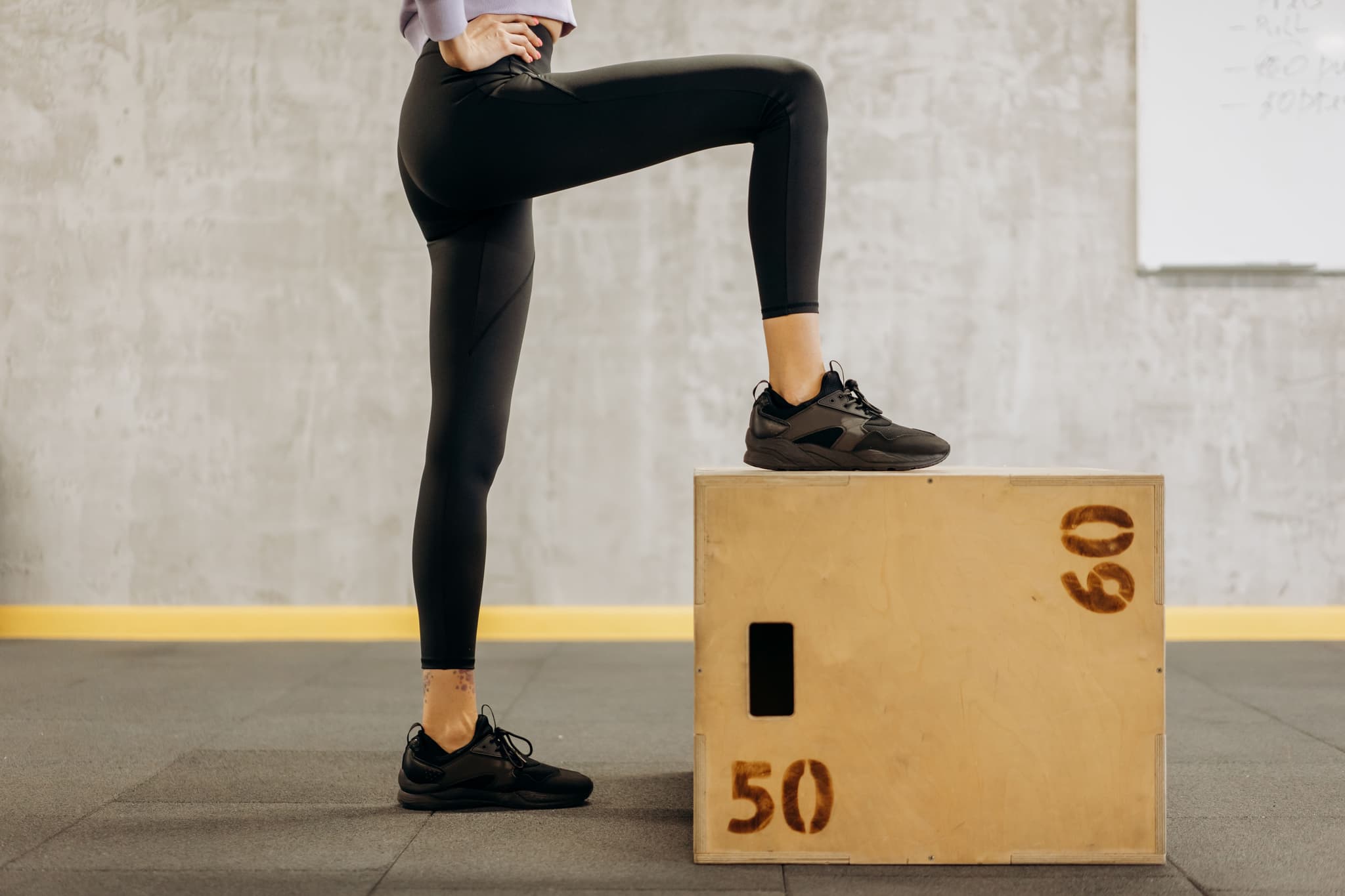
Step-Ups for Hamstrings: Box Height, Stance & Form Guide
Are step-ups actually a hamstring exercise, or just quads in disguise? Here's how box height, stance, and hip hinge decide the answer.

7 Progressive Overload Mistakes Beginners Make (and Fixes)
Stalled lifts? You might be making one of these 7 progressive overload mistakes beginners make without realizing it. Get the symptoms, causes, and exact fixes before it costs you months.