
Can You Build Muscle With 20-Minute Workouts? Yes—Here's How
Short on time but still want gains? Here's the research-backed truth about whether 20-minute workouts can build muscle, plus the exact routine to make every minute count.

Yes, you can build muscle with 20-minute workouts if you train with the right intensity, volume, and consistency. That's not a hack. It's how muscle actually works.
You've probably seen both extremes: ten-minute miracle routines that promise abs by Friday, and ninety-minute bro-splits that leave you sore for a week and skipping the gym out of dread. Neither respects your time or your results.
This article splits the difference with something that holds up under scrutiny. You'll get the research behind why short workouts for muscle can match longer ones for muscle growth, the minimum effective dose, and how often to train each week. You'll get a framework for structuring your 20 minutes so nothing gets wasted, how to keep progressing once the early gains level off, and which mistakes quietly sabotage quick muscle building.
Can You Build Muscle With 20-Minute Workouts?
Yes. Muscle growth depends on training volume, the total number of hard sets you perform per week, more than session length. Three focused 20-minute workouts can deliver the same weekly volume as one longer session.
The constraint is execution. Train compound lifts with short rest periods, keep sessions consistent across the week, and eliminate downtime. Every set needs to count.
Volume accumulates across days, not within a single workout. Skip the warm-up chatter and phone scrolling. A short, hard workout you finish beats a long one you skip.
Now let's break down how to structure those minutes for real results.
What Actually Drives Muscle Growth: Volume, Intensity, and Effort
Muscle doesn't know how long your workout lasted. It responds to specific stimuli, and time isn't one of them.
Three variables matter most: how much volume you do, how close to failure you train, and how consistently you repeat that stimulus over weeks. Get those right, and short sessions can build muscle just as well as longer ones.
Training Volume: More Sets Generally Means More Growth
Research on hypertrophy points to a clear pattern: more hard sets per muscle per week tends to produce more growth, up to a point. At least 10 sets per week per muscle group is optimal for hypertrophy, and the most common view among researchers is that hypertrophy is maximized somewhere between 10 and 20 sets per week.
Twenty minutes doesn't limit your set count as much as you'd think. Compound lifts like squats and rows hit multiple muscles at once, letting you rack up productive volume fast. Skip the wasted time between sets, and you can fit 6 to 8 hard sets into a short session without rushing the lifts themselves. This is the foundation of quick muscle building within tight time constraints.
Proximity to Failure Matters More Than Total Time
How close you push each set to failure matters more than how long you spend getting there. Stopping 1 to 3 reps short of failure produces the same hypertrophy as grinding to muscular failure in trained adults. Push too far from failure, and you leave growth on the table. Grind every set to the bone, and you add fatigue without adding much benefit.
This is where short workouts for muscle earn their keep. When your time is limited, you train with more focus. You skip the wasted minutes between sets, so every set counts.
That focus is exactly what makes a 20-minute session viable. The next question is how to structure it so effort stays high from start to finish.
Why 20 Minutes Is Enough: The Minimum Effective Dose for Muscle
Twenty minutes works once you understand the minimum effective dose: the smallest amount of training that still forces an adaptation. Fall short of it, and your muscles just hold steady. Push past it, and you grow, though gains taper off fast beyond a certain point.
Training volume research backs this up. Studies tracking hypertrophy across different weekly set counts show real growth starting at low numbers, then flattening once volume climbs too high. Extra sets past that threshold mostly add fatigue, not size.
This is the logic behind minimal time training: find the smallest dose that still triggers adaptation, then stop spending energy past it.
How Few Sets You Actually Need to Grow (vs. Maintain)
Roughly 4 to 6 hard sets per muscle group each week is enough to maintain what you've built. To actually grow, aim for 10 to 20 weekly sets, taken close to failure.
That's not hours of gym time. It's 3 or 4 exercises, done with focus, inside 20 minutes.
Cut rest periods short, skip the wasted motion between sets, and the math works out. Effort during those minutes determines the result, not the clock.
How Many Times Per Week Should You Build Muscle With 20-Minute Workouts?
Train 4 to 6 times per week, and 20-minute workouts will build muscle just fine. That's the sweet spot for most lifters using short workouts for muscle building.
Here's the logic: weekly volume per muscle group matters more than session length. A 2016 meta-analysis by Schoenfeld, Ogborn, and Krieger found that training a muscle group twice per week produced greater muscle growth than once per week, even when total volume was matched. Short sessions make this frequency easy to hit.
Split your training by muscle group or movement pattern. Push on Monday and Thursday. Pull on Tuesday and Friday. Legs on Wednesday and Saturday. Each session stays short, but you still rack up enough weekly volume to grow.
Recovery still matters. If you're training near failure every session, don't hit the same muscle group on back-to-back days. Give it 48 hours before you load it again.
Beginners can get away with fewer sessions, maybe 3 per week, and still see solid progress. Intermediate and advanced lifters usually need the higher frequency to keep making gains, since they need more weekly volume than a single session can deliver.
Next, here's what a session like this actually looks like.
The 20-Minute Muscle-Building Workout Framework
Short workouts for muscle work only if you structure them right. Random exercises done fast won't cut it. You need a framework that front-loads the highest-value movements and cuts everything that doesn't earn its place.
Exercise Selection: Compound Lifts First
Pick exercises that hit multiple muscle groups at once. Squats, deadlifts, bench presses, rows, and overhead presses should form the backbone of your session.
Isolation moves like curls or lateral raises have a place, but not in a 20-minute window. Save them for days when you have more time. Compound lifts recruit more muscle per minute than isolation work, which is exactly what a short session needs.
Pick 3 to 4 exercises per workout. Any more and you'll rush through sets just to fit them in.
Sets, Reps, and Rest Periods for Maximum Growth in Minimal Time
Keep rest periods short but not reckless. The sweet spot for muscle growth sits between 60 and 90 seconds of rest between sets, enough to keep your heart rate up without tanking your strength on the next set.
Aim for 3 sets of 6 to 10 reps per exercise. That rep range builds muscle efficiently and keeps each set under two minutes, including the lift itself.
Train close to failure on your last set of each exercise. Leave 1 to 2 reps in reserve on earlier sets, then push harder near the end. Research on resistance-trained adults found similar muscle growth whether people trained to failure or stopped 1 to 2 reps short, so this approach won't cost you gains.
Sample 20-Minute Full-Body Session
Here's a full-body layout you can run 4 to 6 times a week:
Barbell squat, 3 sets x 8 reps, 90 seconds rest
Bench press, 3 sets x 8 reps, 90 seconds rest
Bent-over row, 3 sets x 10 reps, 60 seconds rest
Overhead press, 3 sets x 8 reps, 60 seconds rest
That's 12 total working sets. At roughly 90 seconds per set plus rest, you'll land right around 20 minutes, including a quick warm-up on your first lift.
Swap the exercises every few weeks to keep progressing, but don't touch the structure. The rest periods, rep ranges, and exercise count are what make 20 minutes work.
Progression: How to Keep Building Muscle, Not Just Maintain It
Your first few 20-minute sessions will feel productive. Your muscles are adapting to a new stimulus, and soreness confirms it. That response fades fast if you don't change anything.
Twenty-minute workouts keep building muscle long-term, but only if you apply progressive overload: gradually increasing the demand on your muscles over weeks and months instead of repeating the same numbers every time.
Tracking Load and Reps Session to Session
You can't progress what you don't measure. Write down your weight, reps, and sets for every exercise. Without a record, you're guessing, and guessing stalls growth.
This is where most short workouts for muscle fail. They give you a routine but no system for tracking it. SHRED solves that gap. Log your sets in the app, and it shows you exactly what you lifted last time, so every session starts with a clear target to beat.
When to Add Weight, Reps, or Sets
Follow a simple rule. If you hit the top of your rep range for all sets with good form, add weight next session. If you're stuck mid-range, add one rep before adding load.
Small jumps work best. Add 2.5 to 5 pounds on upper body lifts, 5 to 10 on lower body. Chase the wrong metric, and you'll plateau even inside a well-built framework.
Common Mistakes That Waste Your 20 Minutes
A short session only pays off if you avoid the habits that turn it into wasted time. One bad choice and you're just going through the motions.
Stopping sets too early.
If you're not within 1-2 reps of failure, you're not sending a strong enough growth signal. Comfortable sets don't build muscle.
Cutting rest periods to save time.
Resting 30 seconds between compound lifts sounds efficient, but it tanks your performance on the next set. You end up doing less total work, not more.
Warming up like you've got an hour.
Five minutes is plenty. Anything longer eats into your working sets.
Chasing variety instead of results.
Swapping exercises every session feels productive but blocks progressive overload. Stick with your core lifts long enough to add weight or reps.
Ignoring your weakest lift.
Skipping the exercise you dread means skipping the muscle group that needs the most work.
Training to exhaustion on accessory moves.
Save your hardest effort for the lifts that move the most muscle.
Fix these, and your quick muscle building starts pulling its full weight.
FAQs: 20-Minute Workouts and Muscle Building
Can you build muscle with 20 minute workouts?
Yes. You can build muscle with 20 minute workouts if you use compound lifts, train close to failure, and add weight or reps over time. Progressive overload, pushing your muscles harder each week, is what drives growth, not session length. Consistency across weeks and months matters far more than how long each individual workout lasts.
Can you build muscle and strength with only dumbbells?
Yes. Dumbbells let you overload muscles through a full range of motion, which is what triggers growth. Goblet squats, rows, presses, and lunges hit every major muscle group. The limiting factor isn't the equipment. It's whether you push sets close to failure and add weight or reps over time.
Is 20 minutes enough for a full-body workout?
It is, if you pick compound lifts and skip long rest periods. Four to six exercises covering your legs, back, chest, and shoulders fit into 20 minutes with 60 to 90 seconds of rest between sets. You won't have time for isolation work or a five-minute warmup, so every exercise has to earn its spot.
How long does it take to build muscle overall?
Most lifters notice visible changes within 8 to 12 weeks of consistent training. Strength gains show up faster, often within 3 to 4 weeks, as your nervous system gets better at recruiting muscle fibers before the muscle itself has grown. Real muscle growth takes longer because it depends on repeated progressive overload, not a handful of good sessions.
Consistency matters more than any single workout length. Twenty minutes done four to six times a week, for months, beats one "perfect" hour-long session done once in a while.
The Bottom Line
Twenty-minute workouts build muscle. Muscle growth depends on intensity, weekly volume, and progressive overload, not how long you're in the gym. What matters is whether you show up with enough intensity, hit enough volume across the week, and keep progressing session after session. Skip any one of those three and you're just maintaining. Nail all three and 20 minutes is plenty.
The hard part isn't the workout. It's staying honest about effort and progression when nobody's watching the clock but you.
Start this week. Pick your compound lifts, push each set close to failure, and add weight or reps as soon as you can. Track it in SHRED so you're building on real numbers, not guesswork.
Related Articles
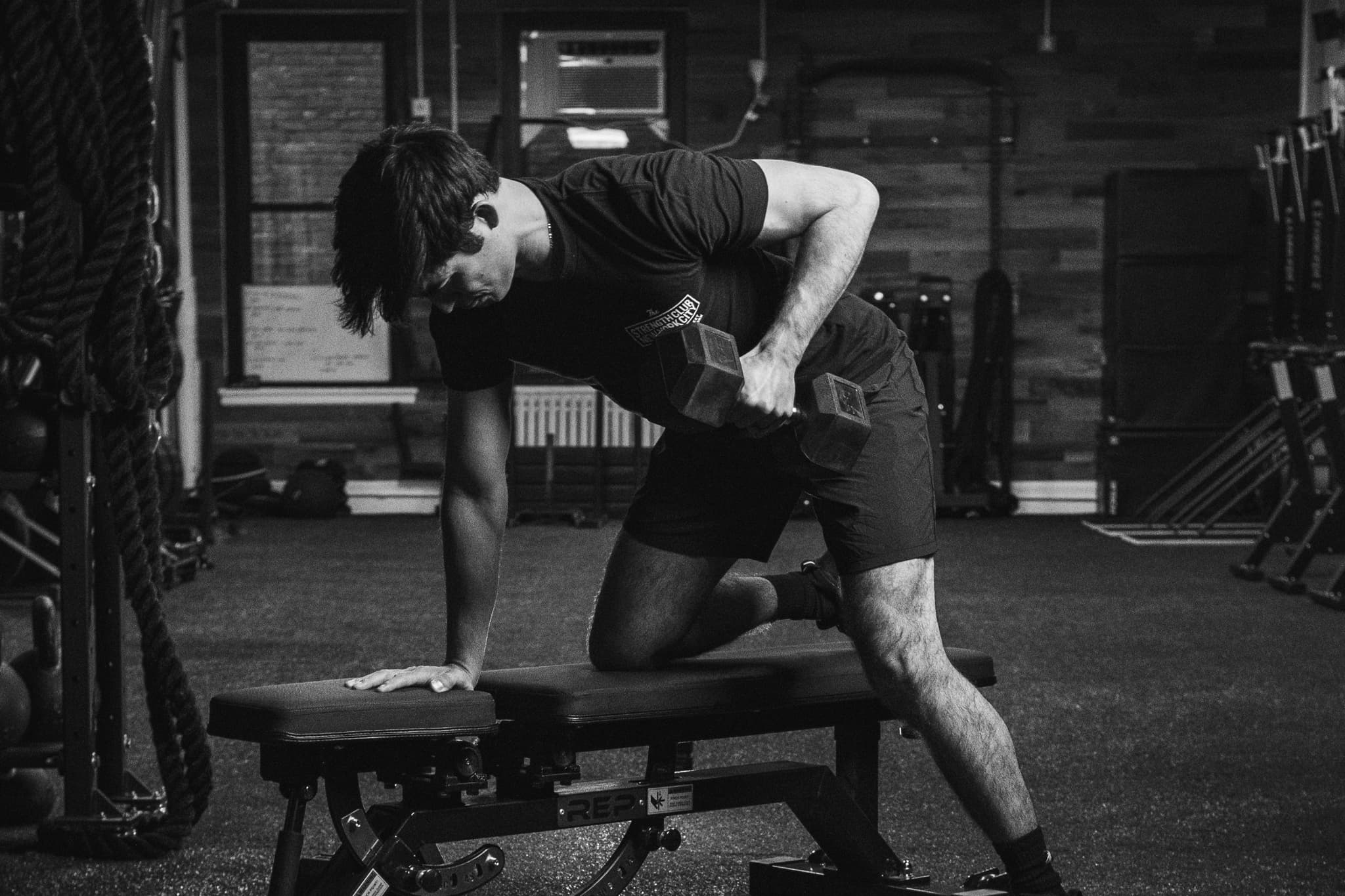
Dumbbell Arm Exercises for Beginners: Why Free Weights Beat Cables
Cables feel safer, but they hide the mistakes that matter most. See why dumbbell arm exercises beginners should master first build real strength, better balance, and honest form fast.
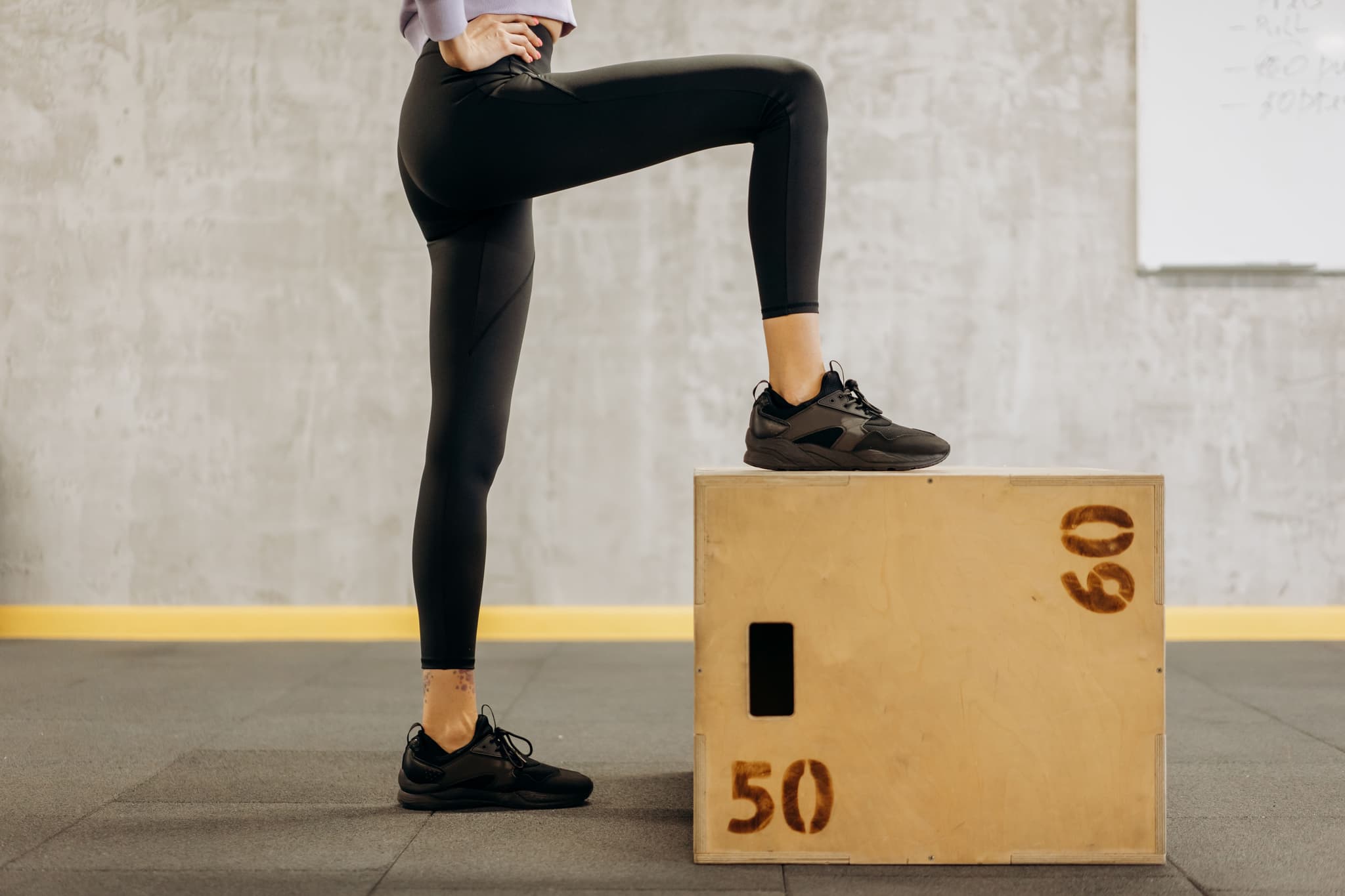
Step-Ups for Hamstrings: Box Height, Stance & Form Guide
Are step-ups actually a hamstring exercise, or just quads in disguise? Here's how box height, stance, and hip hinge decide the answer.
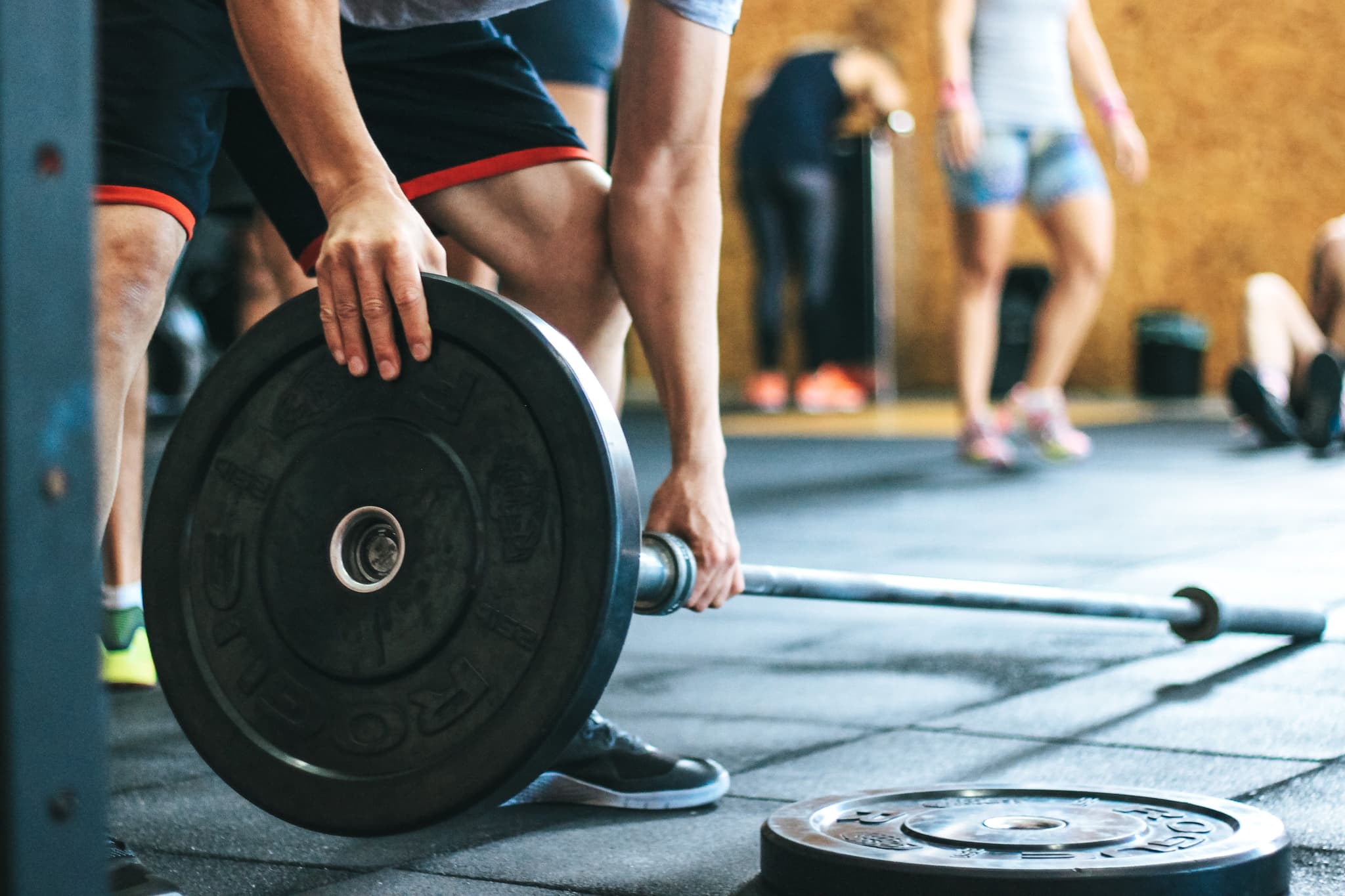
7 Progressive Overload Mistakes Beginners Make (and Fixes)
Stalled lifts? You might be making one of these 7 progressive overload mistakes beginners make without realizing it. Get the symptoms, causes, and exact fixes before it costs you months.