
Building a Home Gym: Essential Equipment for Strength Training
Creating a home gym tailored for strength training is an investment in your health, convenience, and fitness goals. Whether you are a beginner or an experienced lifter, having the right equipment at h...

Creating a home gym tailored for strength training is an investment in your health, convenience, and fitness goals. Whether you are a beginner or an experienced lifter, having the right equipment at home can transform your training routine, making workouts more accessible and effective. This guide will walk you through the essential equipment for strength training at home so you can build a setup that suits your space, budget, and ambitions.
Why Build a Home Gym for Strength Training?
A home gym offers unmatched flexibility and privacy compared to commercial gyms. You can work out whenever it fits your schedule without worrying about crowded spaces or waiting for equipment. Additionally, building a home gym is cost-effective in the long run—saving monthly membership fees while allowing you to invest in quality gear.
Moreover, with advancements in technology, apps like SHRED provide guided strength training workouts and programs you can follow from your home gym, enhancing your routine with professional coaching and progress tracking.
Essential Equipment for a Home Strength Training Gym
When selecting equipment, it’s important to focus on versatility, durability, and space efficiency. Here are the core pieces to consider:
1. Adjustable Dumbbells
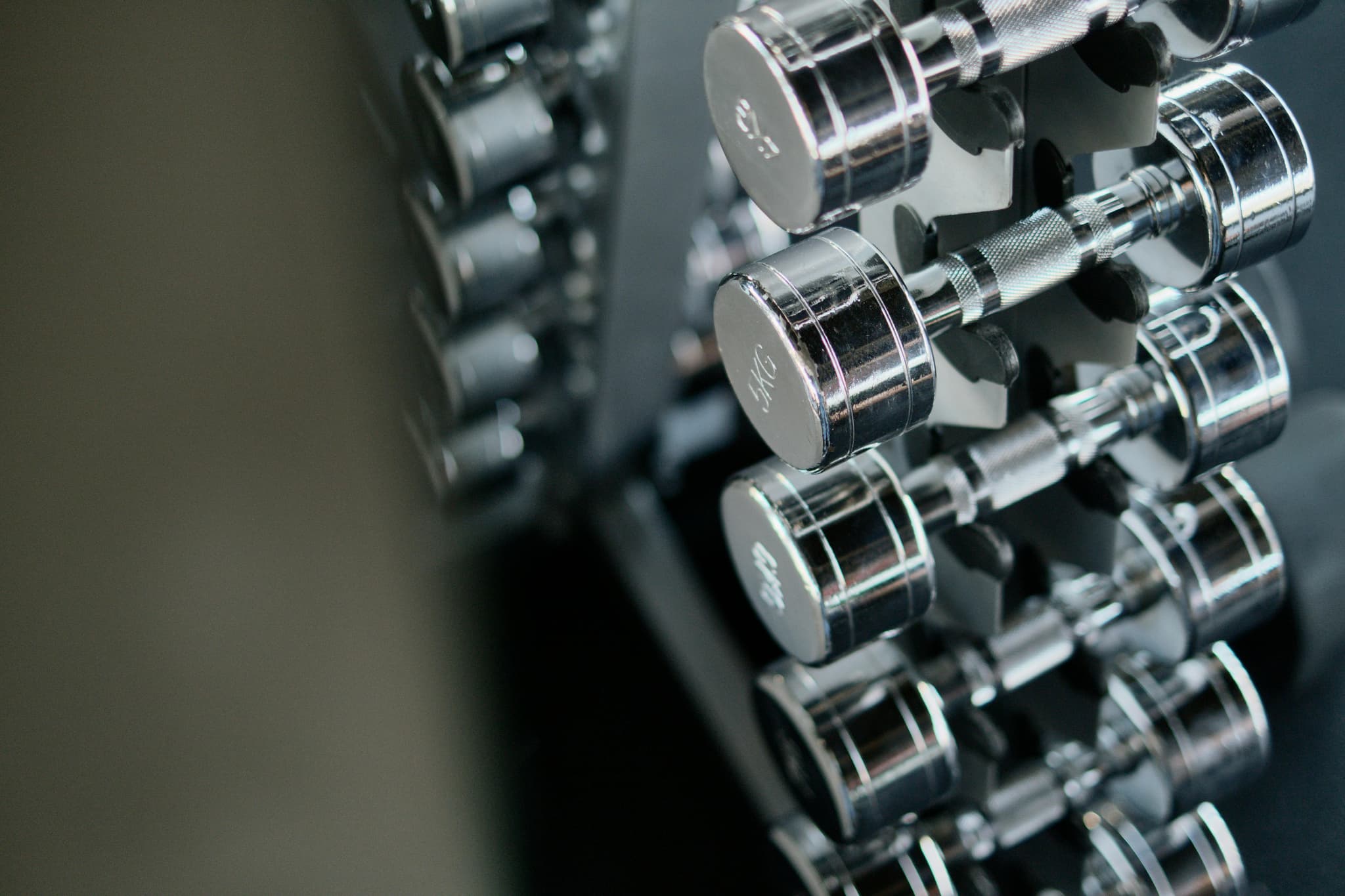
Dumbbells are a staple for strength training because they allow a wide range of exercises targeting all muscle groups. Adjustable dumbbells save space by combining multiple weight increments into one set, making them ideal for home gyms.
Benefits: Versatility, compact design, suitable for beginners to advanced users
Key exercises: Bicep curls, shoulder presses, lunges, chest presses
2. Barbell and Weight Plates
No strength training gym is complete without a barbell. A standard 7-foot barbell paired with weight plates offers the ability to perform fundamental compound lifts like squats, deadlifts, and bench presses.
Choose a barbell with a weight capacity that suits your strength level
Opt for rubber-coated plates to protect flooring and reduce noise
3. Power Rack or Squat Rack
A power rack provides both safety and versatility. It supports heavy lifting by allowing you to perform squats, bench presses, and other compound movements safely with spotter arms or safety pins.
Look for a rack with adjustable height settings and sturdy construction
Some models include pull-up bars, expanding your exercise options
4. Adjustable Bench
An adjustable bench, which can incline, decline, or remain flat, complements your dumbbells and barbells. It enables you to target muscles from various angles.
Ensure it has a strong frame and comfortable padding
Pair with your barbell for bench presses and dumbbells for flyes or rows
5. Resistance Bands
Resistance bands are an excellent supplementary tool for strength training. They provide variable resistance and can assist with mobility, stretching, or adding intensity to exercises.
Ideal for warm-ups, cool-down stretches, and rehab exercises
Portable and affordable, perfect for any home gym
6. Kettlebells
Kettlebells offer dynamic movement exercises that improve strength and conditioning. They are particularly effective for powerful swings, goblet squats, and Turkish get-ups.
Start with moderate weights and increase as your strength improves
Look for a flat base for stability during exercises
7. Flooring
Proper flooring is essential to protect your home and your equipment. Rubber mats or interlocking foam tiles provide cushioning, reduce noise, and protect your floors from heavy weights.
Choose a thickness around 3/4 inch for durability and shock absorption
Easy to clean and maintain
8. Pull-Up Bar
A pull-up bar is a compact addition ideal for upper body and core strength development. Many models can be installed in doorways or integrated into a power rack.
Ideal for pull-ups, chin-ups, and hanging leg raises
Helps balance your workout with bodyweight exercises
Tips for Maximizing Your Home Gym Space
Assess your available space before purchasing equipment; prioritize versatile gear.
Use vertical storage solutions like wall-mounted racks to keep equipment organized.
Consider multi-functional equipment like a power rack with attachments.
Use apps like SHRED to customize routines that fit your equipment and goals.
Keep your gym area well-ventilated and well-lit to create an inviting atmosphere.
Integrating Technology: Strength Training Apps
Modern strength training apps like SHRED provide tailored workout programs that sync with your equipment. These apps can guide proper form, adjust difficulty levels, and track progress over time. Using SHRED alongside your home gym can maximize results, offering an effective, personalized training experience without leaving your home.
Conclusion
Building a home gym equipped for strength training is an empowering step toward achieving your fitness goals. Focus first on versatile and foundational equipment like adjustable dumbbells, a sturdy barbell with plates, a power rack, and an adjustable bench. Supplement with resistance bands, kettlebells, and pull-up bars to broaden your exercise options. Don’t forget the importance of protective flooring and the potential benefits of technology like the SHRED app.
With the right essentials and commitment, your home gym will be a dynamic, effective space that supports your strength training journey for years to come. Start smart, invest wisely, and enjoy the freedom of training at home.
Related Articles
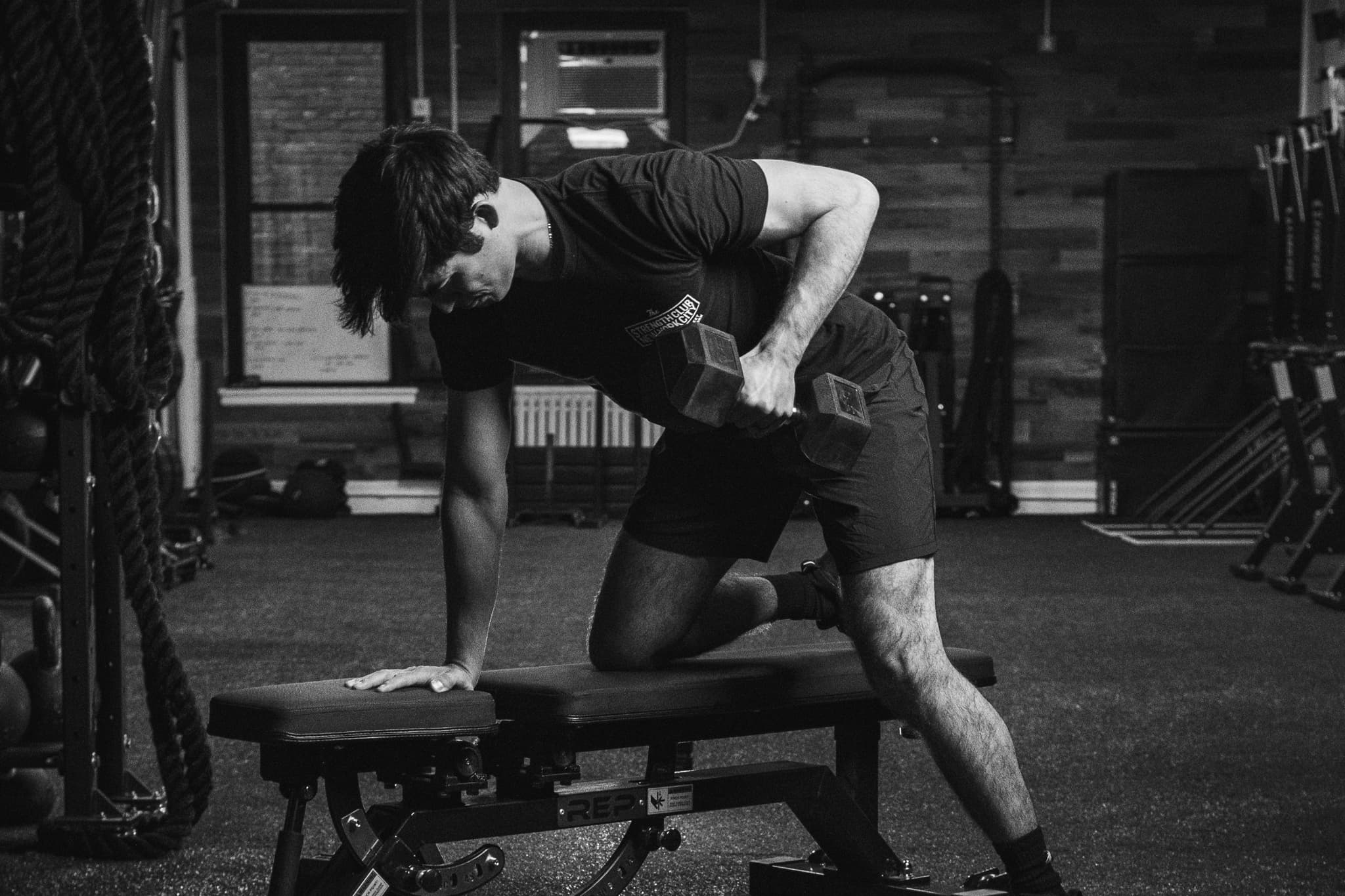
Dumbbell Arm Exercises for Beginners: Why Free Weights Beat Cables
Cables feel safer, but they hide the mistakes that matter most. See why dumbbell arm exercises beginners should master first build real strength, better balance, and honest form fast.
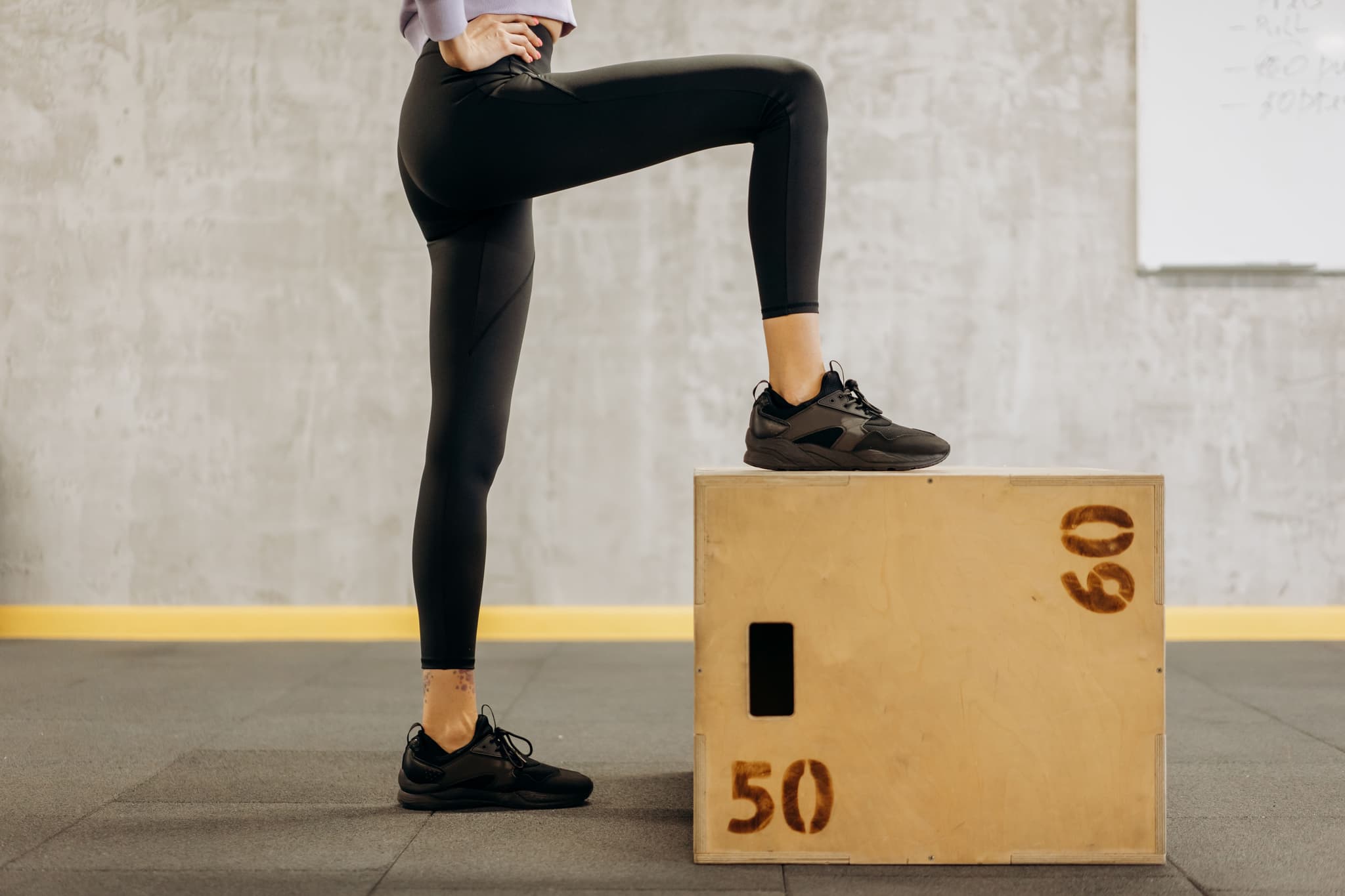
Step-Ups for Hamstrings: Box Height, Stance & Form Guide
Are step-ups actually a hamstring exercise, or just quads in disguise? Here's how box height, stance, and hip hinge decide the answer.
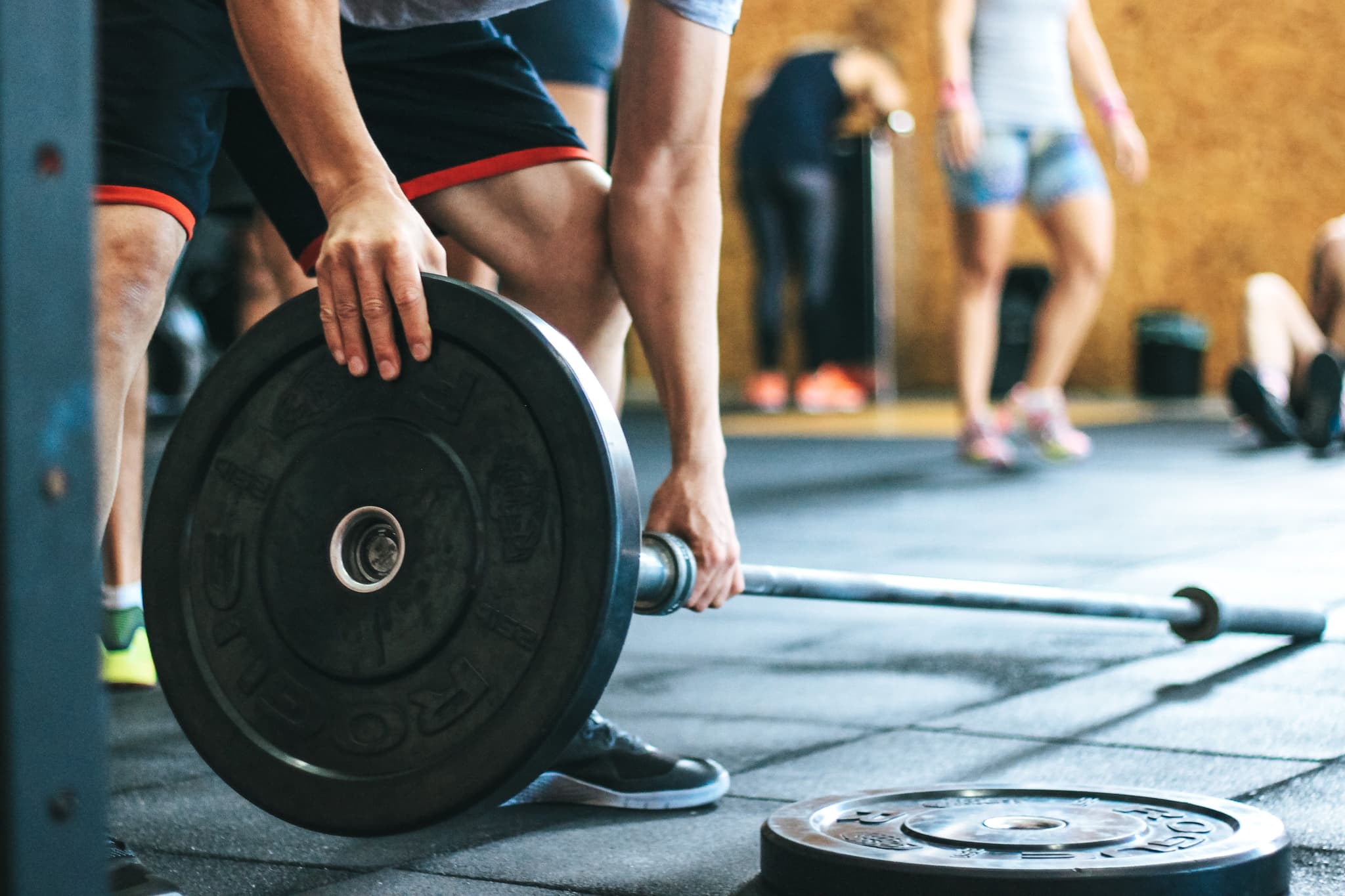
7 Progressive Overload Mistakes Beginners Make (and Fixes)
Stalled lifts? You might be making one of these 7 progressive overload mistakes beginners make without realizing it. Get the symptoms, causes, and exact fixes before it costs you months.