
Strength Training for Older Adults: Benefits and Precautions
As we age, maintaining physical health becomes increasingly important for overall quality of life. Strength training offers significant benefits for older adults, helping to preserve muscle mass, impr...
As we age, maintaining physical health becomes increasingly important for overall quality of life. Strength training offers significant benefits for older adults, helping to preserve muscle mass, improve mobility, and enhance mental well-being. However, it is essential to approach strength training with proper precautions to prevent injury and maximize results. This article explores the many benefits of strength training for older adults and outlines important safety tips to follow.
The Importance of Strength Training for Older Adults
Aging naturally brings about muscle loss, often referred to as sarcopenia, which can lead to weakness, decreased mobility, and an increased risk of falls. Strength training helps counteract these effects by building and maintaining muscle mass, improving bone density, and supporting joint health.
Key Benefits of Strength Training for the Elderly
1. Maintains Muscle Mass and StrengthMuscle strength typically declines with age, but strength training can help preserve and even increase muscle tissue. This improvement aids in everyday activities like climbing stairs, carrying groceries, and maintaining balance.
2. Enhances Bone DensityWeight-bearing exercises stimulate bone growth and decrease the risk of osteoporosis, a condition common among older adults that weakens bones and makes fractures more likely.
3. Improves Metabolism and Weight ManagementAs metabolism slows with age, the risk of gaining unwanted body fat increases. Strength training boosts metabolic rate, helping to maintain a healthier body weight and reduce the risk of chronic conditions like diabetes and heart disease.
4. Boosts Mental Health and Cognitive FunctionResearch shows that physical activity, including strength training, releases endorphins and other neurochemicals that reduce symptoms of depression and anxiety. It also supports cognitive function and memory.
5. Supports Better Balance and CoordinationMuscle strength and flexibility improvements help reduce falls, a leading cause of injury in older adults.
Precautions for Safe Strength Training in Older Adults
While strength training has numerous benefits, it is essential to approach it safely, particularly for those new to exercise or with existing health conditions.
Consult Your Healthcare Provider
Before starting any strength training program, older adults should:
Get a full physical exam
Discuss any chronic health issues or injuries
Understand any exercise restrictions or precautions specific to their condition
Start Slow and Progress Gradually
Jumping into high-intensity workouts can lead to injury. A gradual increase in weight, repetitions, and exercises helps condition muscles and joints safely.
Focus on Proper Technique
Employing correct form is crucial to avoid strains or sprains. Working with a certified trainer or using trusted resources—such as the SHRED app, which offers guided strength training routines tailored for older adults—can help ensure exercises are performed correctly.
Incorporate a Balanced Routine
Include exercises targeting all major muscle groups: legs, arms, back, chest, shoulders, and core. Balance muscle groups evenly to prevent imbalances that can hinder mobility or cause injury.
Allow Time for Recovery
Muscle recovery is vital, especially for older adults. Adequate rest between workouts and sufficient sleep promote muscle repair and growth.
Listen to Your Body
Pain signals should never be ignored. Mild soreness is normal after a workout, but sharp or lingering pain warrants resting or consulting a healthcare professional.
Incorporate Warm-Up and Cool-Down Sessions
Engage in light aerobic activity and gentle stretching to prepare muscles before strength training and enhance flexibility afterward.
Sample Strength Training Exercises for Older Adults
Chair Squats: Stand in front of a chair and lower into a sitting position, then stand back up. This exercise strengthens the thighs and glutes.
Wall Push-Ups: Standing arm’s length from a wall, place hands flat and lower the body toward the wall, then push back. This is an effective upper body exercise.
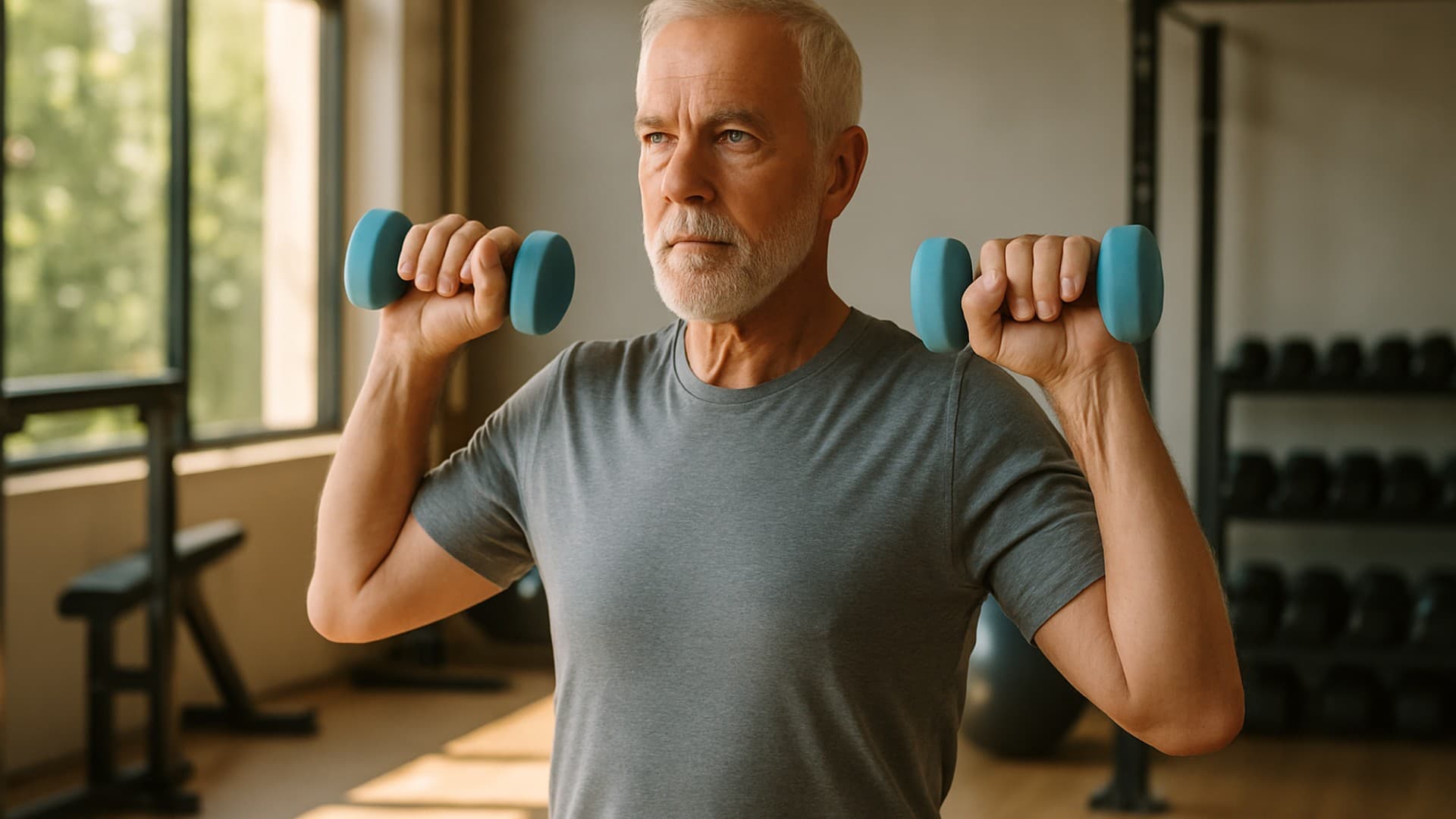
Bicep Curls with Light Weights: Using dumbbells or household items, curl weights toward the shoulders to strengthen the arms.
Seated Leg Lifts: While sitting in a chair, lift one leg straight out and hold briefly before lowering; repeat to build quadriceps muscles.
Step-Ups: Using a secure step, step up with one foot and then the other, then step down. This improves leg strength and balance.
Leveraging Technology: The Role of Apps Like SHRED
Digital tools have revolutionized fitness, making personalized workout guidance accessible at home. For older adults, apps like SHRED provide structured, progressive strength training programs designed with safety and effectiveness in mind. These platforms often feature:
Video demonstrations to ensure proper form
Adjustable difficulty levels
Reminders and tracking to support consistency
Expert advice tailored to older populations
Incorporating such apps can be an excellent way for older adults to maintain motivation, stay safe, and enjoy varied workouts without the need to visit a gym.
Final Thoughts
Strength training offers profound benefits for older adults, including improved physical function, mental well-being, and reduced risk of chronic diseases. By approaching it with appropriate precautions, older adults can safely integrate strength exercises into their routine and maintain an active, independent lifestyle.
Embracing resources like expert guidance and apps such as SHRED can further enhance the experience, making strength training both enjoyable and effective. Always remember to prioritize safety, listen to your body, and consult healthcare professionals when needed for a sustainable and rewarding fitness journey.
Related Articles
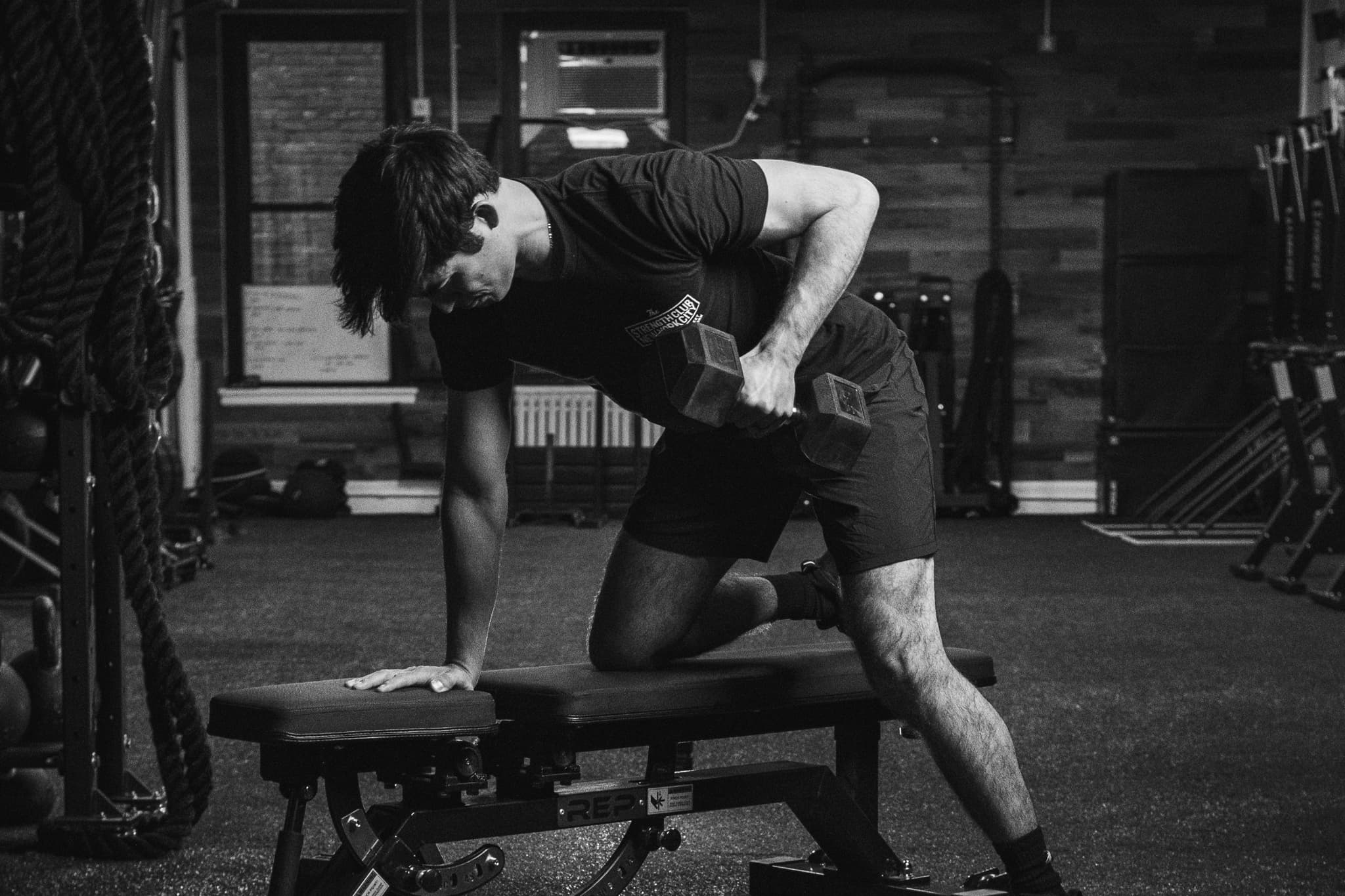
Dumbbell Arm Exercises for Beginners: Why Free Weights Beat Cables
Cables feel safer, but they hide the mistakes that matter most. See why dumbbell arm exercises beginners should master first build real strength, better balance, and honest form fast.
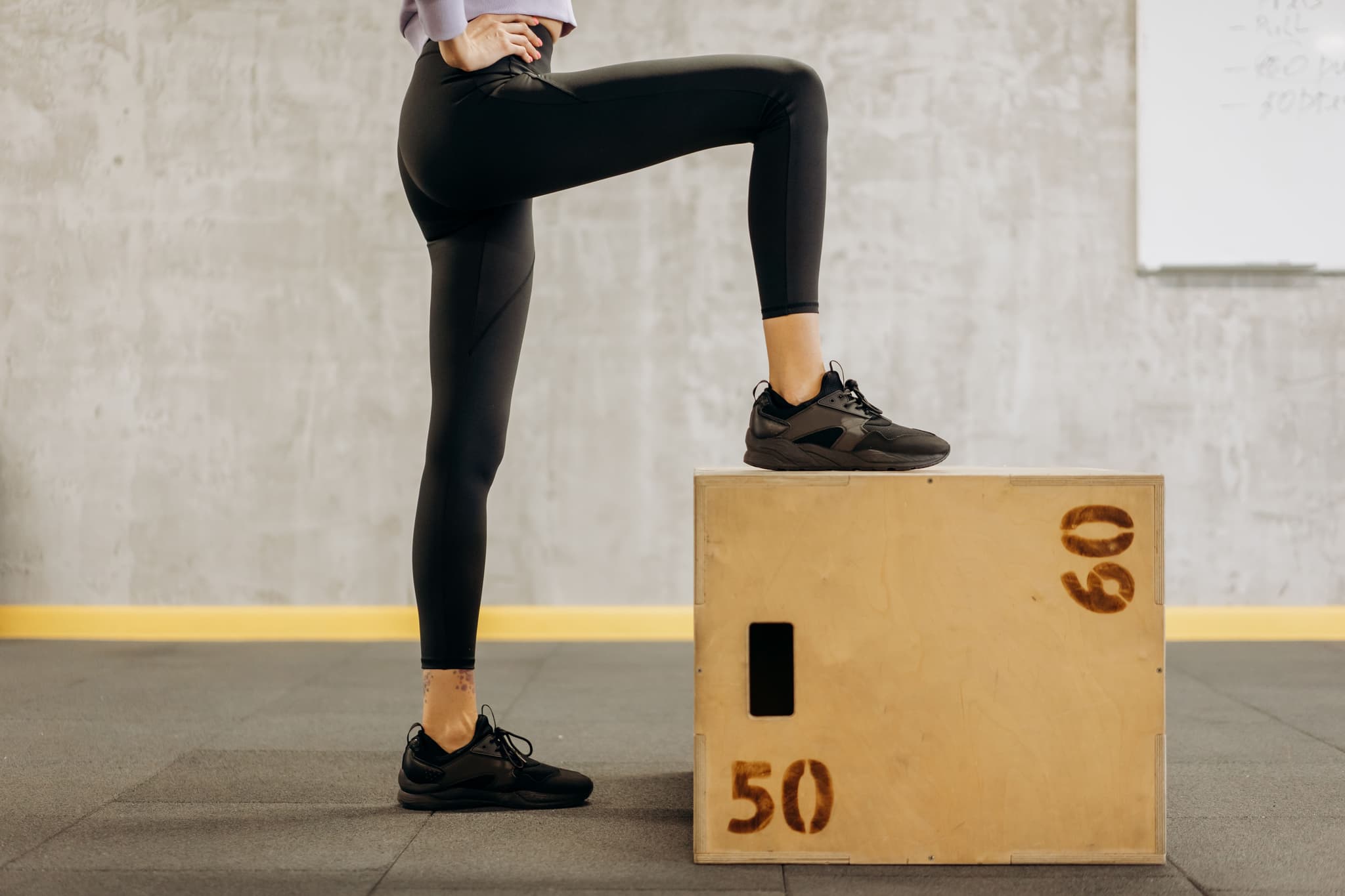
Step-Ups for Hamstrings: Box Height, Stance & Form Guide
Are step-ups actually a hamstring exercise, or just quads in disguise? Here's how box height, stance, and hip hinge decide the answer.
7 Progressive Overload Mistakes Beginners Make (and Fixes)
Stalled lifts? You might be making one of these 7 progressive overload mistakes beginners make without realizing it. Get the symptoms, causes, and exact fixes before it costs you months.