
Progressive Overload Techniques: Maximize Muscle Growth Safely and Effectively
Progressive overload is a fundamental principle in strength training and muscle building, essential for maximizing muscle growth safely and effectively. Whether you’re a beginner or an experienced lif...

Progressive overload is a fundamental principle in strength training and muscle building, essential for maximizing muscle growth safely and effectively. Whether you’re a beginner or an experienced lifter, understanding and applying progressive overload techniques can help you break through plateaus, enhance strength, and achieve your fitness goals more efficiently.
What Is Progressive Overload?
Progressive overload refers to the gradual increase in stress placed on your muscles during exercise. When you consistently challenge your muscles beyond their usual capacity, they adapt by growing stronger and larger. This process is vital because muscles need new stimuli to continue developing. Simply maintaining the same workout routine without increasing the intensity or volume will eventually lead to stagnation.
Why Progressive Overload Matters for Muscle Growth
Muscle growth, or hypertrophy, occurs as your muscle fibers experience tiny tears during resistance training. The repair process makes muscles stronger and bigger over time. Progressive overload ensures that these micro-tears happen consistently by pushing your muscles harder than before. Without this principle, your body quickly adapts, and muscle gains plateau.
Key Progressive Overload Techniques
There are multiple ways to implement progressive overload in your workout routine, and the best approach often involves combining several methods for balanced development. Here are some effective and safe progressive overload techniques:
1. Increase the Weight
The most straightforward method is to increase the weight you lift. Adding more pounds to your lifts forces your muscles to work harder. For example, if you can comfortably bench press 100 pounds for 8 reps, try increasing to 105 or 110 pounds for fewer reps, then gradually build back up in volume.
2. Increase the Number of Repetitions
If adding weight isn’t immediately possible, increasing the number of repetitions you perform at a given weight can also overload the muscles. For instance, if you are doing 8 reps of bicep curls at 25 pounds, aim to increase the reps to 10 or 12 over time before adding weight.
3. Increase the Number of Sets
Adding more sets to your workout increases the total volume of work your muscles perform, creating additional stimulus for growth. If your routine includes 3 sets of squats, try adding a fourth set while maintaining good form.
4. Adjust Rest Periods
Decreasing rest time between sets increases workout intensity, keeping your muscles under tension for longer and enhancing metabolic stress. For example, reducing rest from 90 seconds to 60 seconds creates a greater challenge for your muscles.
5. Improve Exercise Technique and Range of Motion
Performing exercises with better form or a fuller range of motion increases muscle activation. For example, squatting deeper or slowing down the eccentric (lowering) phase of a lift can intensify muscle engagement without changing weight or reps.
6. Increase Training Frequency
Increasing the number of training sessions for a particular muscle group each week can improve recovery and muscle growth, provided it is balanced with adequate rest and nutrition.
Safety Considerations for Progressive Overload
While pushing your muscles is necessary for growth, safety should never be compromised. Here are some tips for maximizing gains without risking injury:
Warm-Up Thoroughly: Prepare your muscles and joints with dynamic stretches and light sets before heavy lifting.
Prioritize Proper Form: Sacrificing technique to lift heavier weights increases injury risk. Focus on controlled, deliberate movements.
Progress Gradually: Avoid sudden large jumps in weight or volume. Small increases reduce the likelihood of overtraining or strain.
Listen to Your Body: Pay attention to pain signals and avoid training through sharp or persistent pain.
Include Rest Days: Recovery allows muscles to repair and grow, making rest an integral part of progress.
The Role of Tracking in Progressive Overload
Monitoring your workouts is critical for effective progressive overload. Tracking variables such as weight lifted, number of reps, sets, and perceived effort helps you identify when it’s time to increase workload. Using tools like workout journals or apps can simplify this process.
The strength training app SHRED, for example, offers intelligent tracking and personalized programming to help lifters apply progressive overload systematically. With SHRED, users receive tailored workout adjustments based on progress, ensuring continual muscle growth while minimizing injury risk.
Sample Progressive Overload Plan
To put these concepts into practice, here’s a simple 4-week plan focusing on progressive overload using weight increase and rep progression:
Week 1: 3 sets of 8 reps at 100 pounds
Week 2: 3 sets of 10 reps at 100 pounds
Week 3: 4 sets of 8 reps at 105 pounds
Week 4: 4 sets of 10 reps at 105 pounds
This gradual progression encourages your muscles to adapt safely, preventing plateaus while minimizing overuse injuries.
Conclusion
Progressive overload is the cornerstone of effective muscle building and strength development. By carefully increasing the demands you place on your muscles through weight, reps, sets, rest periods, or technique improvements, you can maximize muscle growth safely and sustainably. Always prioritize proper form, gradual progression, and adequate recovery to avoid injury.
Incorporating modern tools like the SHRED strength training app can make it easier to track progress and adjust your routine intelligently. Whether you’re aiming to build mass, increase strength, or improve overall fitness, mastering progressive overload techniques will help you achieve impressive results efficiently.
Related Articles

Dumbbell Arm Exercises for Beginners: Why Free Weights Beat Cables
Cables feel safer, but they hide the mistakes that matter most. See why dumbbell arm exercises beginners should master first build real strength, better balance, and honest form fast.
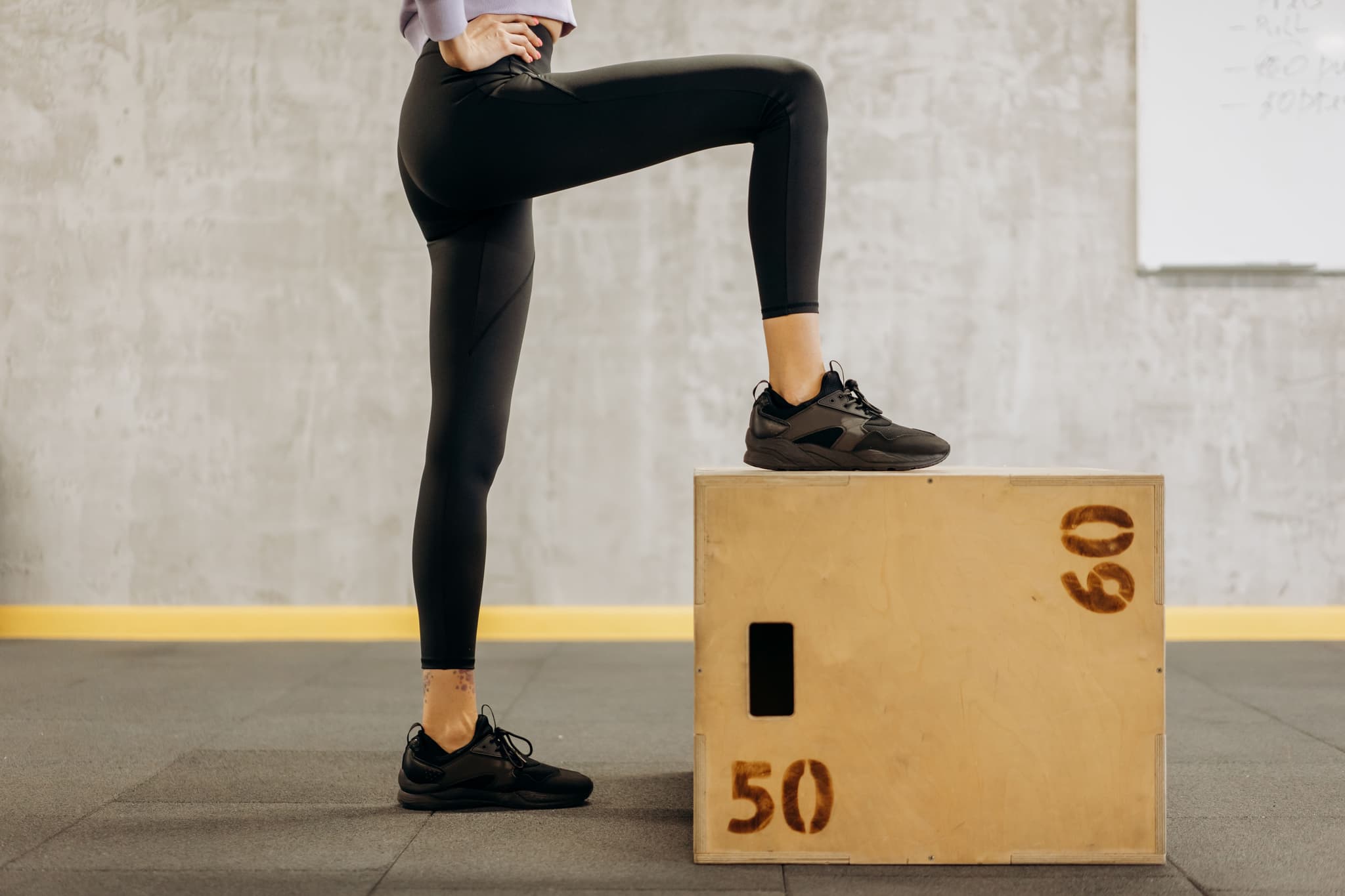
Step-Ups for Hamstrings: Box Height, Stance & Form Guide
Are step-ups actually a hamstring exercise, or just quads in disguise? Here's how box height, stance, and hip hinge decide the answer.

7 Progressive Overload Mistakes Beginners Make (and Fixes)
Stalled lifts? You might be making one of these 7 progressive overload mistakes beginners make without realizing it. Get the symptoms, causes, and exact fixes before it costs you months.