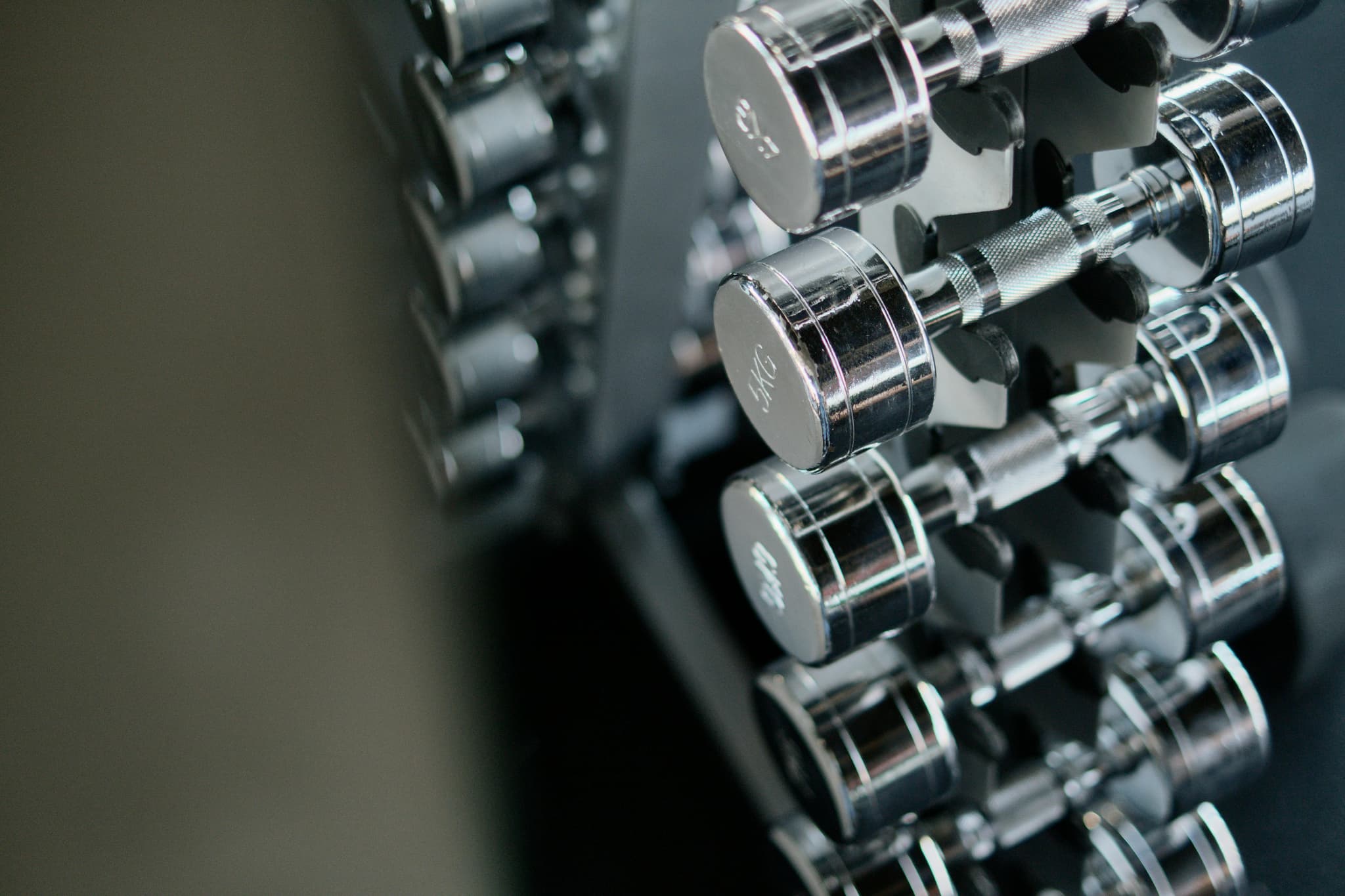

How to Maintain Strength Gains During a Cut or Weight Loss Phase
Maintaining strength while losing weight or during a cutting phase can be challenging, but it is absolutely possible with the right approach. Many fitness enthusiasts and athletes worry about losing h...

Maintaining strength while losing weight or during a cutting phase can be challenging, but it is absolutely possible with the right approach. Many fitness enthusiasts and athletes worry about losing hard-earned muscle and strength as they shed body fat. However, by strategically managing nutrition, training, and recovery, you can preserve your strength gains and maintain muscle mass throughout your weight loss journey.
Understanding the Challenge of Maintaining Strength During a Cut
When you enter a calorie deficit to lose body fat, your body has less energy available for muscle repair and growth. This can lead to muscle loss and a decline in strength if not carefully managed. The key is to balance fat loss while preserving muscle tissue, which depends on several factors including your training intensity, dietary protein intake, and recovery protocols.
Strategies to Maintain Strength Gains During a Weight Loss Phase
1. Prioritize Protein Intake
Protein is the foundation of muscle maintenance. During a cutting phase, increasing protein helps minimize muscle breakdown by providing the amino acids necessary for repair.
Aim for 1.0 to 1.2 grams of protein per pound of body weight daily.
Include lean protein sources such as chicken, turkey, fish, lean beef, eggs, and dairy.
Consider incorporating protein supplements like whey or plant-based powders if whole food intake is insufficient.
2. Maintain Training Intensity and Volume
Strength loss often occurs because individuals reduce their training intensity or volume during a cut. Preserving heavy lifting routines signals your body to maintain muscle and strength.
Continue training at or near your usual intensity, aiming for reps in the range of 3-6 for strength.
Avoid drastically cutting down volume; moderate reductions can help manage fatigue but don’t eliminate challenging lifts.
Use compound movements (squats, deadlifts, bench press) to maximize muscle retention.
Apps like SHRED can assist here by providing personalized strength training programs that adapt to your caloric intake and recovery needs, ensuring you maintain progress even while cutting.
3. Incorporate Adequate Recovery
During a calorie deficit, your body may have fewer resources for recovery, which makes rest even more crucial.
Ensure 7-9 hours of quality sleep per night.
Manage stress through relaxation techniques, mindfulness, or light physical activity.
Schedule rest days and avoid overtraining, which can accelerate muscle loss.
4. Use Strategic Calorie Deficits
A severe calorie cut can exacerbate strength loss. Instead, adopt a moderate calorie deficit that promotes gradual fat loss.
Aim for a daily calorie deficit of about 300-500 calories, which typically leads to losing 0.5 to 1 pound per week.
This slower approach spares more muscle and keeps energy levels higher for training.
5. Periodize Your Training
Altering your training focus throughout the cutting phase can help maintain both strength and muscle.
Cycle between heavier strength phases (low reps, high weight) and moderate hypertrophy phases (8-12 reps).
Periodization prevents burnout and keeps muscles stimulated from different angles.
6. Stay Hydrated and Monitor Electrolytes
Dehydration can negatively impact strength and performance, especially when dieting.
Drink plenty of water throughout the day.
Replenish electrolytes lost through sweat, particularly if you engage in high-intensity training.
The Role of Supplements in Strength Maintenance
While whole foods should be the priority, certain supplements can support your goals:
Creatine Monohydrate helps maintain strength and power output despite calorie deficits.
Branched-Chain Amino Acids (BCAAs) may reduce muscle breakdown during training and fasting periods.
A quality multivitamin ensures no micronutrient deficiencies that could affect recovery.
Monitoring Progress to Adjust Your Cut
Regularly tracking your strength levels and body composition can inform whether your approach needs revisions.
Record lifting metrics and aim to maintain or progress in your major lifts.
Use body measurements and progress photos alongside weigh-ins to monitor fat loss.
If strength diminishes significantly, consider increasing calories or tweaking your training volume.
Conclusion: Combining Smart Nutrition and Training for Sustained Strength
Maintaining your strength gains while losing weight requires deliberate planning and consistency. By prioritizing protein intake, preserving training intensity, ensuring proper recovery, and applying a moderate calorie deficit, you can retain both muscle mass and strength.
Remember, strength maintenance is not about drastic changes but balanced adjustments respecting your body’s need for energy and recovery. Incorporating tools like the SHRED app can help tailor your training to your nutritional status, making it easier to stay on track and motivated during your cutting phase.
With the right strategy, you don’t have to sacrifice strength to get leaner—you can have both.
Related Articles

Dumbbell Arm Exercises for Beginners: Why Free Weights Beat Cables
Cables feel safer, but they hide the mistakes that matter most. See why dumbbell arm exercises beginners should master first build real strength, better balance, and honest form fast.
Step-Ups for Hamstrings: Box Height, Stance & Form Guide
Are step-ups actually a hamstring exercise, or just quads in disguise? Here's how box height, stance, and hip hinge decide the answer.

7 Progressive Overload Mistakes Beginners Make (and Fixes)
Stalled lifts? You might be making one of these 7 progressive overload mistakes beginners make without realizing it. Get the symptoms, causes, and exact fixes before it costs you months.