
How to Improve Grip Strength for Better Lifting Performance
Improving grip strength is a crucial yet often overlooked aspect of enhancing overall lifting performance. Whether you’re an experienced weightlifter or just starting out, having a strong grip helps y...
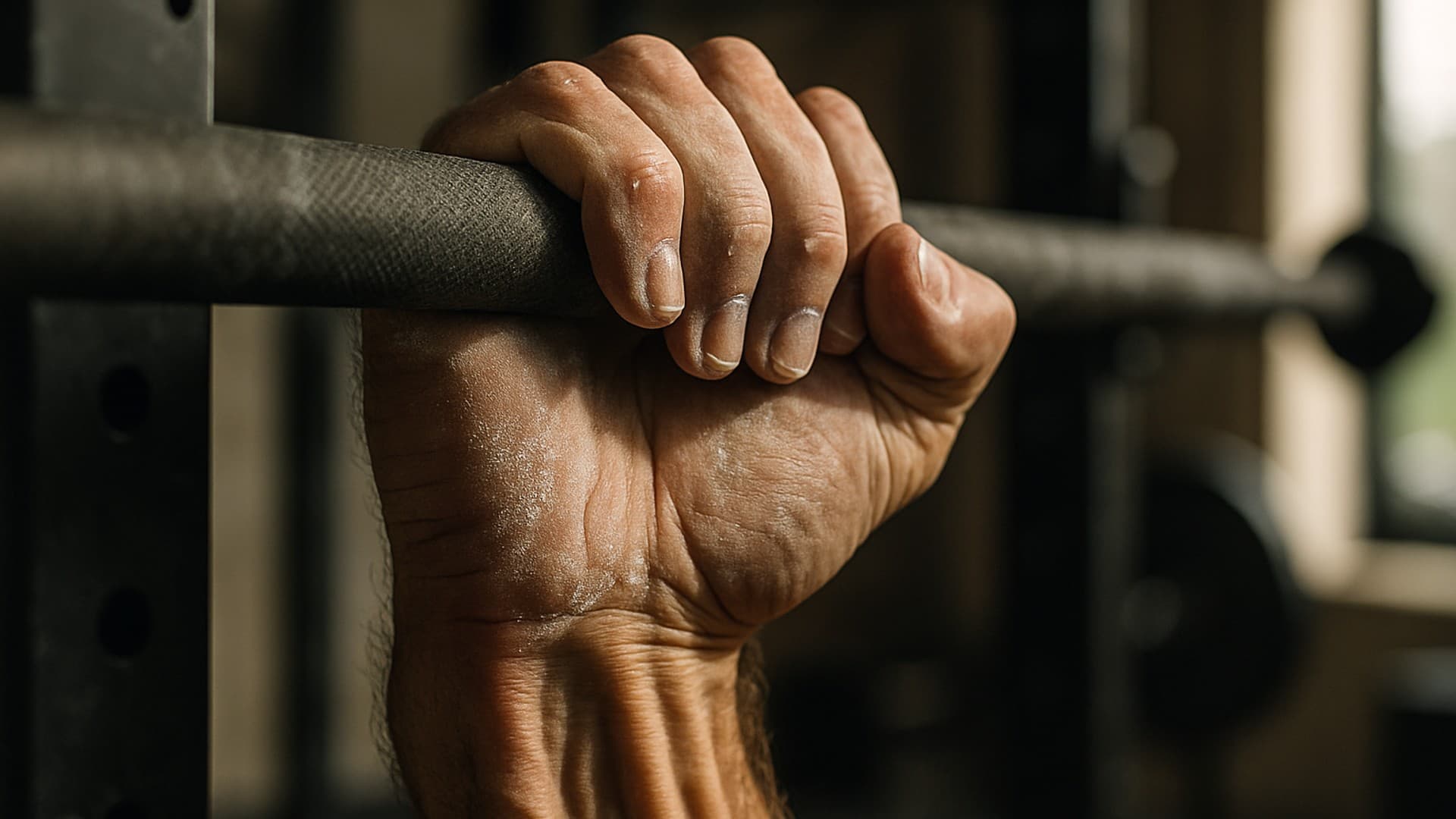
Improving grip strength is a crucial yet often overlooked aspect of enhancing overall lifting performance. Whether you’re an experienced weightlifter or just starting out, having a strong grip helps you lift heavier weights, perform more reps, and reduce the risk of injury. Fine-tuning your grip strength not only benefits traditional lifts like deadlifts, pull-ups, and rows but also improves your control and confidence with dumbbells, barbells, and other gym equipment.
Why Grip Strength Matters in Lifting
Your grip is the connection point between your body and the weight. If your grip fails before your muscles do, it limits how much you can lift and for how long. Strong grips help stabilize the bar or dumbbell, allowing you to maintain better form and muscle engagement. This translates into more effective workouts and faster progress.
Besides maximizing lifting potential, strong grip strength:
Enhances functional strength for daily activities like carrying groceries or opening jars
Supports wrist and forearm health, reducing the risk of strains or overuse injuries
Boosts overall hand endurance, which is essential for exercises such as farmers walks and kettlebell swings
Key Exercises to Improve Grip Strength
To strengthen your grip, it’s essential to target different aspects such as crushing grip, pinching strength, and supporting endurance. Incorporate the following exercises into your routine for a well-rounded grip:
1. Dead Hangs
Hanging from a pull-up bar is one of the simplest, yet most effective ways to build grip endurance. Dead hangs help strengthen your finger tendons, forearms, and shoulders.
Grip a pull-up bar with both hands, about shoulder-width apart.
Hang with your feet off the ground, keeping your shoulders engaged.
Aim to hold for 20 to 40 seconds, working up to longer durations as you progress.
2. Farmer’s Walk
This functional strength exercise requires you to carry heavy dumbbells or kettlebells in each hand and walk a set distance.
Grab a pair of heavy dumbbells and stand tall with your shoulders back.
Walk for 30 to 60 seconds, focusing on maintaining a strong, tight grip.
Rest and repeat for 3 to 4 sets.
3. Plate Pinches
Pinching weight plates between your fingers challenges your pinch grip, which is crucial for controlling various lifts.
Pick up two weight plates, placing smooth sides out.
Pinch them together with your thumb on one side and fingers on the other.
Hold for 30 seconds, repeating for 3 to 5 sets.
4. Wrist Curls and Reverse Wrist Curls
These exercises target the forearm muscles directly involved in gripping.
Sit on a bench with your forearms resting on your thighs, wrists hanging over the edge.
Hold dumbbells with palms facing up for wrist curls and palms facing down for reverse wrist curls.
Curl your wrists upward slowly and lower back down.
Complete 3 sets of 12-15 reps for each variation.
5. Towel or Rope Pull-Ups
Adding a towel or rope around a pull-up bar increases grip difficulty by making it harder to hold on.
Drape a towel or rope over the bar, gripping it with both hands.
Perform pull-ups or hangs, focusing on maintaining grip despite the thicker, unstable hold.
This improves finger strength and grip endurance under challenging conditions.
Tips for Maximizing Grip Training
Progress gradually: Like any muscle group, your grip takes time to build. Increase resistance and duration slowly to avoid injury.
Use chalk or grip-enhancing gloves if sweat affects hold, but minimize reliance on straps.
Incorporate grip training 2-3 times per week, ensuring adequate rest and recovery.
Warm up your wrists and fingers before heavy gripping work to prevent strains.
Combine grip exercises with a comprehensive strength program like SHRED, which offers guided workouts tailored for strength gains and functional performance.
Nutrition and Recovery for Grip Strength
Strong tendons and muscles need the right nutrition to perform and recover effectively:
Ensure adequate protein intake to support muscle repair.
Stay hydrated to maintain joint and tendon health.
Include foods rich in omega-3 fatty acids like fish or flaxseed to reduce inflammation.
Prioritize sleep, as recovery is when strength adaptations occur.
How Grip Strength Translates to Better Lifting Performance
Increasing your grip strength directly impacts your lifting in several ways:
Improved Deadlifts: You can hold heavier bars longer, reducing the need for lifting straps and allowing your back and legs to bear the full load.
Better Pull-Ups and Rows: Stronger grip lets you complete more reps efficiently, promoting upper back and arm development.
Enhanced Dumbbell Control: A tighter grip stabilizes the weight, making presses, curls, and other movements more controlled and effective.
Injury Prevention: Solid grip strength decreases wrist instability and reduces the chance of dropping weight or injuring your hands.
Conclusion
Building grip strength is a game-changer for anyone serious about lifting performance. Simple exercises like dead hangs, farmer’s walks, plate pinches, and wrist curls can create significant improvements when performed consistently. Pair these drills with balanced nutrition, adequate rest, and a comprehensive strength-training plan like SHRED to unlock your full lifting potential.
Investing time in your grip strength today means lifting heavier, safer, and more confidently tomorrow. Whether you’re gripping a dumbbell, kettlebell, or barbell, a strong hand will always hold you closer to your fitness goals.