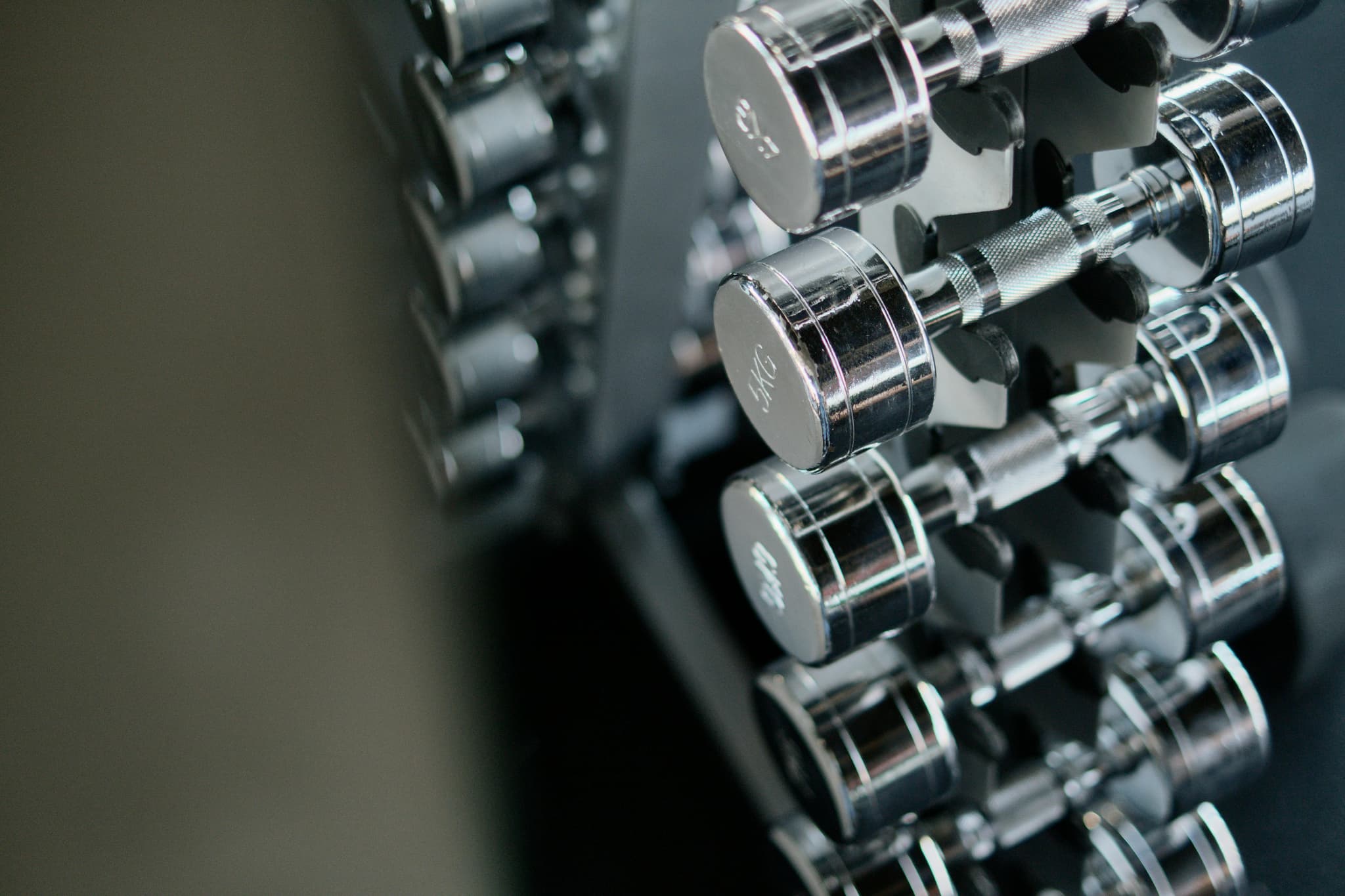

Best Progressive Overload Techniques for Faster Muscle Growth Results
Progressive overload is the cornerstone of effective strength training and muscle growth. Without continuously challenging your muscles, your gains will plateau, leaving you frustrated and stalled. Un...

Progressive overload is the cornerstone of effective strength training and muscle growth. Without continuously challenging your muscles, your gains will plateau, leaving you frustrated and stalled. Understanding and applying the best progressive overload techniques can accelerate your muscle growth, improve strength, and optimize your workout results. In this article, we'll explore proven methods for progressive overload that will help you achieve faster and more consistent muscle gains.
What Is Progressive Overload?
Progressive overload is the practice of gradually increasing the stress placed on your muscles during exercise. This continuous increase forces your muscles to adapt by growing stronger and bigger. The principle applies regardless of your training goal—whether it's building muscle mass, increasing strength, or improving endurance.
By consistently overloading your muscles, you stimulate muscle fiber adaptation and hypertrophy. This ensures you're making progress rather than stagnating.
Why Progressive Overload Matters for Muscle Growth
Muscle growth occurs as a response to mechanical tension and muscle damage caused by resistance training. If you repeatedly do the same workout without increasing intensity, your muscles adapt to the current workload, halting growth. Progressive overload helps:
Prevent plateaus
Increase muscle size and strength
Enhance workout efficiency
Understanding how to apply overload properly ensures sustainable and measurable progress.
Best Progressive Overload Techniques for Faster Muscle Growth
1. Increase Resistance (Weight)
The most straightforward way to apply progressive overload is by increasing the weight you lift. When you can comfortably complete the desired reps and sets with perfect form, it's time to add more weight.
Tips:
Increase weight in small increments (typically 2.5 to 5 pounds) to avoid injury.
Use free weights or machines depending on your comfort and access.
Track your weights and reps meticulously for consistent progression.
2. Increase Repetitions or Sets
If increasing weight isn’t feasible, you can add more repetitions or sets to your workout. For example, if you can perform 3 sets of 8 reps, try increasing to 3 sets of 10 reps or 4 sets of 8 reps.
Advantages:
Enhances muscular endurance along with size.
Useful during periods where heavy lifting is limited due to recovery or equipment availability.
3. Improve Exercise Volume
Exercise volume is the total amount of work performed, calculated as sets × reps × weight. Increasing volume gradually by manipulating any of these factors drives overload.
How to apply:
Add an extra exercise targeting the same muscle group.
Increase training frequency (e.g., train muscle groups twice per week instead of once).
4. Manipulate Tempo (Time Under Tension)
Slowing down the tempo of each repetition increases the time your muscles are under tension, making the exercise more challenging without changing load.
Sample Technique:
Lower the weight slowly for 3 to 5 seconds (eccentric phase).
Pause for 1-2 seconds at the bottom before lifting.
This method can be especially beneficial when joint stress limits heavy lifting or when targeting specific muscle fibers.
5. Shorten Rest Periods
Decreasing rest time between sets increases workout density and challenges muscular endurance, contributing to progressive overload.
Implementation:
Reduce rest from 90 seconds to 60 seconds without compromising form or strength.
Be cautious not to shorten rest to the point of poor performance on subsequent sets.
6. Vary Exercise Selection
Altering exercises keeps your muscles adapting by exposing them to new angles and loading patterns. For instance, if you usually perform flat bench presses, incorporate incline or dumbbell presses.
Benefits:
Prevents boredom and overuse injuries.
Stimulates different muscle fibers for more balanced growth.
Tracking Progress for Optimal Results
Consistent progress tracking is critical for applying progressive overload effectively. Keep a workout journal, app, or log detailing:
Weights lifted
Reps and sets completed
Tempo used
Rest periods
This data lets you identify when to increase load, volume, or intensity.
Leveraging strength training apps like SHRED can simplify this process. SHRED offers real-time tracking, program adjustments, and tailored overload recommendations to keep your muscle growth on track.
The Importance of Proper Recovery
Progressive overload stresses your muscles, requiring adequate recovery to rebuild and grow stronger. Adequate sleep, nutrition, and rest days are essential components of any muscle growth program.
Key recovery tips:
Aim for 7-9 hours of quality sleep each night.
Consume a protein-rich diet to support muscle repair.
Include rest days or active recovery to prevent overtraining.
Common Progressive Overload Mistakes to Avoid
Increasing weight too quickly: This can lead to injury or compromised form.
Neglecting form: Proper technique is vital for safety and effective muscle stimulation.
Ignoring recovery: Overloading without recovery can cause burnout and stall gains.
Inconsistent tracking: Without data, you’ll struggle to know when to progress or plateau.
Final Thoughts
Incorporating the best progressive overload techniques into your training routine is the fastest way to achieve significant muscle growth. Whether you choose to increase weight, reps, volume, or manipulate tempo, progressing methodically and safely is key.
For those seeking a structured, personalized strength training experience with intelligent progressive overload guidance, apps like SHRED offer excellent tools to enhance your workouts and results.
By combining smart overload practices with adequate recovery, nutrition, and consistency, you’ll be well on your way to faster, sustainable muscle growth.
Related Articles

Dumbbell Arm Exercises for Beginners: Why Free Weights Beat Cables
Cables feel safer, but they hide the mistakes that matter most. See why dumbbell arm exercises beginners should master first build real strength, better balance, and honest form fast.
Step-Ups for Hamstrings: Box Height, Stance & Form Guide
Are step-ups actually a hamstring exercise, or just quads in disguise? Here's how box height, stance, and hip hinge decide the answer.

7 Progressive Overload Mistakes Beginners Make (and Fixes)
Stalled lifts? You might be making one of these 7 progressive overload mistakes beginners make without realizing it. Get the symptoms, causes, and exact fixes before it costs you months.