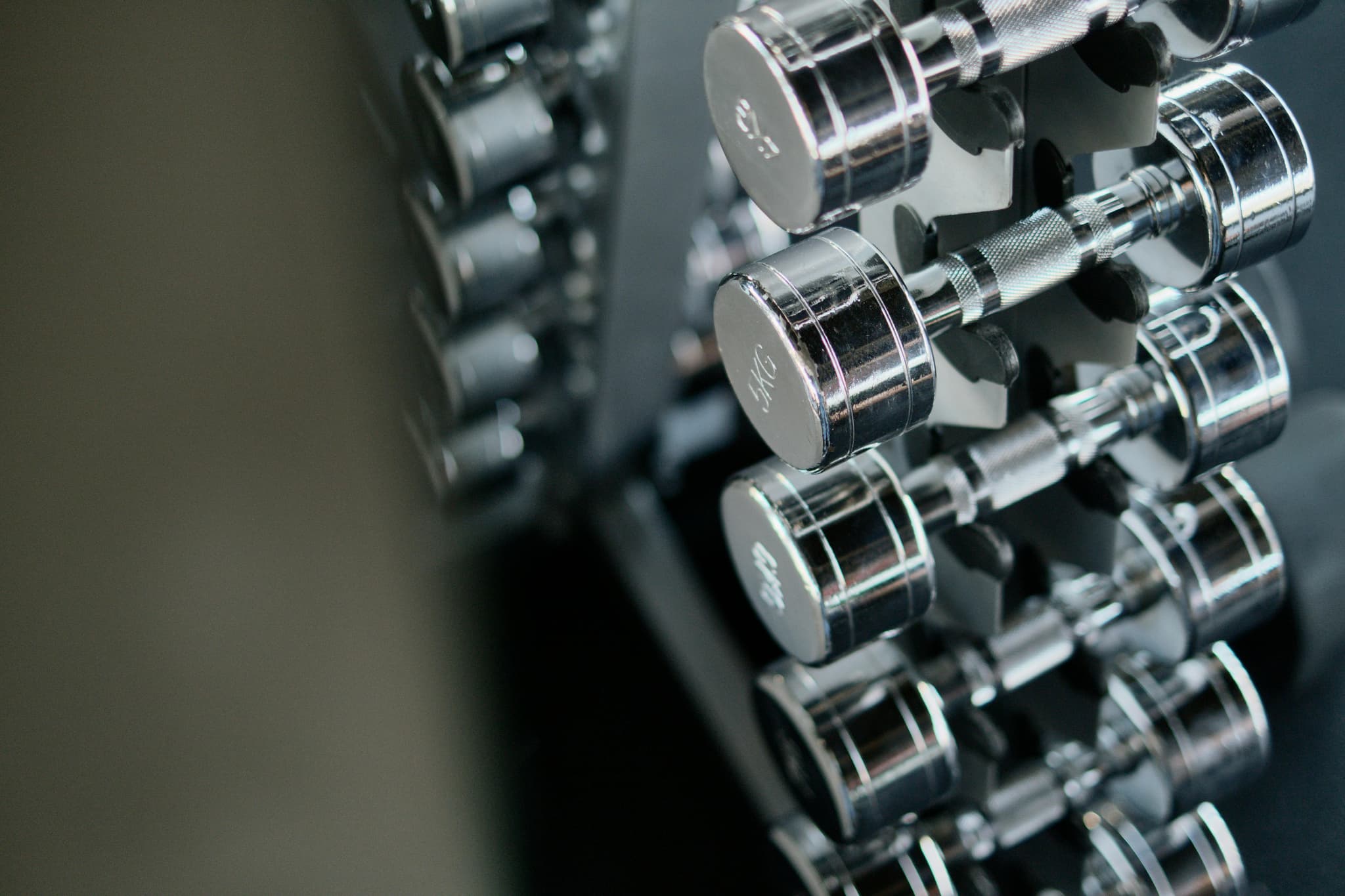

The Role of Rest and Recovery in a Strength Training Program
In the quest for greater strength and muscular development, many lifters focus intensely on their workouts, often overlooking a crucial component of progress: rest and recovery. While pushing your bod...

In the quest for greater strength and muscular development, many lifters focus intensely on their workouts, often overlooking a crucial component of progress: rest and recovery. While pushing your body during strength training sessions is vital, how you manage rest between workouts can significantly influence your gains, injury risk, and overall performance. Understanding the role of rest and recovery within a strength training program can empower you to maximize results, maintain longevity, and enjoy a more balanced approach to fitness.
Why Rest and Recovery Matter in Strength Training
Strength training exerts considerable stress on your muscles, nervous system, and connective tissues. When you lift heavy weights or perform high-intensity sets, tiny muscle fibers experience microscopic tears. These tears are not damage but a necessary stimulus for growth. During rest periods, your body repairs these fibers, making them stronger and more resilient. Without adequate recovery, these repairs are compromised, potentially causing overtraining, fatigue, stalled progress, or even injury.
The Physiology Behind Muscle Recovery
To comprehend recovery's importance, it's helpful to look at the underlying processes:
Muscle protein synthesis (MPS): This is the body's mechanism to rebuild muscle fibers after destruction during training. MPS peaks following a workout and relies on sufficient rest and nutrition.
Nervous system restoration: Heavy lifting stresses your central nervous system (CNS). Adequate rest helps restore neural function, preventing burnout and maintaining workout intensity.
Hormonal balance: After training, hormones such as testosterone and growth hormone increase, aiding muscle repair. Rest facilitates the optimal hormonal environment necessary for growth.
Glycogen replenishment: Your muscles use glycogen as fuel during workouts. Recovery time allows your body to replenish these energy stores.
How Much Rest Do You Need?
The optimal rest period varies by individual, program intensity, and training frequency. However, general guidelines include:
Between Sets
Strength and power-focused training commonly benefits from longer rest periods, ranging from 2 to 5 minutes, allowing for maximal recovery and performance in subsequent sets.
For hypertrophy (muscle growth), shorter rests of 30 to 90 seconds can maintain muscle fatigue and metabolic stress, which also stimulate growth.
Between Workouts
Targeting the same muscle group typically requires at least 48 hours of rest before training it again.
Beginners may need more rest as their bodies adapt, while advanced lifters can sometimes handle more frequent sessions depending on volume and intensity.
Sleep
Quality nightly sleep—typically 7 to 9 hours—is critical for recovery, supporting MPS, hormonal regulation, and CNS repair.
Strategies to Optimize Recovery in Your Strength Training Program
1. Schedule Rest Days
Incorporating planned rest days prevents overtraining. These can be complete rest or active recovery days involving light cardio, mobility work, or stretching.
2. Prioritize Sleep
Consistently getting enough sleep enhances recovery, improves cognitive function, and supports hormonal balance essential for strength gains.
3. Nutrition and Hydration
Adequate protein intake fuels muscle repair, while carbohydrates replenish glycogen stores. Staying hydrated aids all physiological processes connected to recovery.
4. Use Deload Weeks
Implementing scheduled deload weeks—periods of reduced training volume or intensity—allows your body to fully recover and adapt, reducing injury risk.
5. Listen to Your Body
Monitoring soreness, fatigue, mood, and workout performance can signal when additional rest is needed. Avoid pushing through persistent pain or exhaustion.
The Role of Technology: Apps Like SHRED in Managing Rest
Modern strength training apps such as SHRED offer personalized programming that intelligently balances training intensity and rest periods. By tracking your workouts and recovery metrics, SHRED can help optimize your schedule, ensuring you rest enough between sessions to promote muscle growth without sacrificing progress. Utilizing such technology can guide you through recovery phases, deload periods, and provide reminders for rest, making your program smarter and more effective.
Common Mistakes Regarding Rest and Recovery
Neglecting rest due to eagerness: Many athletes train daily without appropriate breaks, leading to diminishing returns and injury.
Ignoring sleep quality: Underestimating the power of sleep can hinder recovery far more than missing a single workout.
Poor nutrition: Skipping proper meals and hydration undermines the repair process.
Inconsistent recovery routines: Recovery should be treated with the same discipline as training.
Conclusion
Rest and recovery are not merely breaks from the grind—they are integral components of an effective strength training program. By giving your muscles, nervous system, and connective tissues the time and resources needed to repair and grow, you enhance performance, reduce injury risk, and accelerate progress toward your fitness goals.
To maximize gains, adopt a holistic approach that combines well-planned work sessions, smart rest intervals, nutrition, sleep, and, if possible, digital tools like SHRED to monitor and optimize your routine. Remember, strength is built as much in recovery as it is in the gym. Listen to your body, respect the rest, and watch your results soar.