
How to Optimize Meal Timing for Muscle Growth and Recovery
Proper meal timing is essential for maximizing muscle growth and accelerating recovery after your workouts. Strategically timing nutrient intake around your training sessions can enhance muscle protei...
Proper meal timing is essential for maximizing muscle growth and accelerating recovery after your workouts. Strategically timing nutrient intake around your training sessions can enhance muscle protein synthesis, boost energy levels, and reduce soreness, helping you reach your fitness goals faster. Understanding how to optimize meal timing for muscle growth can make a significant difference in your muscle-building journey.
This article outlines effective strategies for meal timing designed to optimize muscle growth and speed up recovery.
The Importance of Meal Timing for Muscle Growth
Muscle growth, or hypertrophy, depends heavily on supplying your body with adequate protein and calories to repair and build muscle fibers damaged during exercise. Nutrients act as both building blocks and energy sources for this process. However, the timing of nutrient intake plays a critical role in:
Maximizing muscle protein synthesis (MPS) — the fundamental process of repairing and growing muscle tissue
Reducing muscle protein breakdown
Enhancing glycogen replenishment to fuel future workouts
Minimizing muscle soreness and fatigue
Even with adequate daily nutrition totals, poor meal timing can slow muscle gains and prolong recovery times. Therefore, implementing a well-structured meal timing plan is crucial for optimizing results.
Key Principles for Optimizing Meal Timing for Muscle Growth
Pre-Workout Nutrition to Maximize Muscle Growth
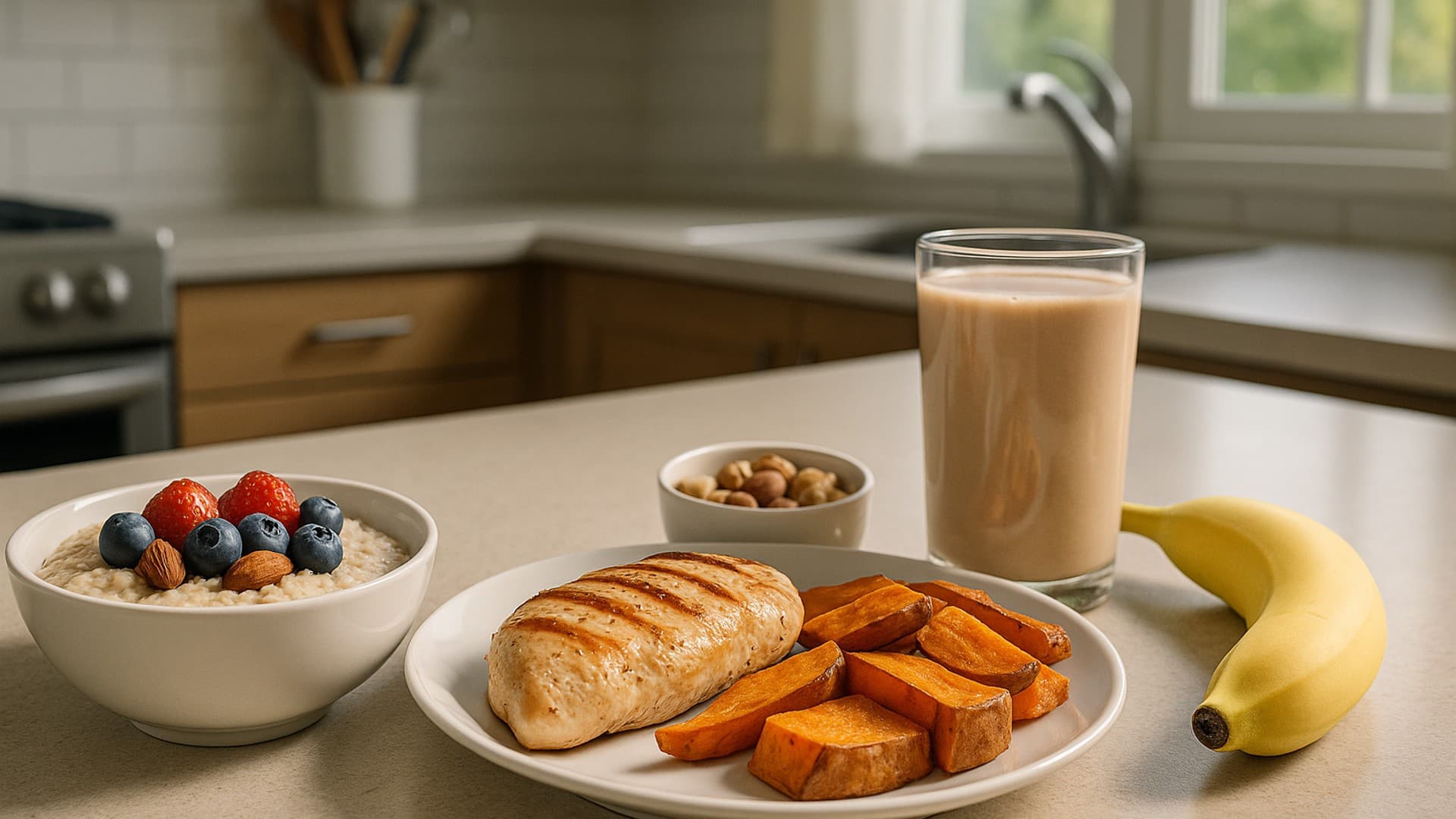
Eating a balanced meal 1.5 to 3 hours before your workout provides the energy necessary to perform intense training effectively. Key components of an ideal pre-workout meal include:
Complex carbohydrates: Such as oats, brown rice, or sweet potatoes, which deliver sustained energy for your workout
Lean protein: Options like chicken, turkey, or plant-based proteins initiate muscle protein synthesis before training
Healthy fats: Small amounts help maintain energy without causing digestive discomfort
When you're short on time and need to eat closer to your workout, a light snack 30 to 60 minutes before exercising made of easily digestible carbohydrates and moderate protein can help—for example, a banana paired with a scoop of protein powder or a protein smoothie.
Intra-Workout Nutrition to Support Ongoing Performance
For workouts longer than 60 minutes or especially intense sessions, consuming carbohydrates during exercise is beneficial to maintain blood sugar levels and delay fatigue. Examples include sipping a sports drink or consuming quick-energy sources like energy gels.
While protein consumption during workouts is generally less critical, it can be advantageous in fasted training states or endurance activities to support muscle maintenance.
Post-Workout Nutrition for Faster Muscle Recovery and Growth
The period immediately after exercise—often referred to as the "anabolic window"—is a crucial time to stimulate muscle repair and replenish glycogen stores. To maximize recovery and muscle growth, consume a meal or snack within 30 to 60 minutes after training that includes:
High-quality protein (20-40 grams): Whey protein is a popular choice due to rapid digestion, but lean meats, eggs, and plant-based proteins also work well
Carbohydrates: Replenish glycogen with fruits, rice, or potatoes to restore energy stores
Fluids: Proper hydration supports metabolic processes and nutrient delivery
Evidence from numerous studies indicates that timely post-workout nutrition significantly enhances muscle protein synthesis, which translates to superior muscle growth over time.
Protein Distribution Throughout the Day
Studies support the concept that muscle protein synthesis is optimized when protein intake is spread evenly across 4 to 6 meals or snacks daily rather than concentrated in one sitting. Aim to consume roughly 20 to 40 grams of protein per meal, tailored to your individual needs and body weight.
This consistent protein intake maintains a positive nitrogen balance and supports ongoing muscle remodeling throughout the day.
Nighttime Nutrition to Support Overnight Recovery
Muscle repair continues during sleep, making nighttime nutrition vital. Consuming a slow-digesting protein before bedtime—such as casein protein or cottage cheese—can provide a steady release of amino acids, reducing muscle breakdown during overnight fasting.
However, avoid large, heavy meals close to bedtime, as they may disrupt sleep quality. Since sleep plays a fundamental role in muscle recovery, optimizing nighttime nutrition should balance promoting recovery with maintaining restful sleep.
Practical Meal Timing Example for a Typical Workout Day
If your workout is scheduled for 6 pm, a sample meal timing plan could look like this:
Breakfast (8 am): Scrambled eggs, whole grain toast, avocado
Mid-morning snack (11 am): Greek yogurt with berries
Lunch (1 pm): Grilled chicken breast, quinoa, steamed broccoli
Pre-workout meal (4 pm): Brown rice, lean beef, and mixed vegetables
Post-workout snack (7 pm): Whey protein shake with a banana
Dinner (8 pm): Baked salmon, sweet potato, and asparagus
Before bed (10 pm): Cottage cheese with a handful of almonds
This example illustrates the importance of balanced nutrients and well-timed protein intake to optimize muscle growth and recovery.
Additional Tips for Effective Meal Timing
Listen to your body: Use hunger cues and energy levels to fine-tune your meal timing for greater personal effectiveness
Avoid excessive fasting around workouts: While intermittent fasting can be effective for some, prolonged nutrient deprivation before or after exercise may impede performance and muscle repair
Stay well-hydrated: Even mild dehydration can reduce muscle protein synthesis and prolong recovery, so maintain consistent water intake throughout the day
Leverage meal planning and fitness apps: Tools like the SHRED app offer tailored strength training programs alongside nutrition timing guidance to help streamline your muscle-building routine
Conclusion
Implementing strategic meal timing for muscle growth is a powerful approach to amplify your muscle gains and accelerate recovery. By focusing on balanced meals before and after workouts, spreading protein intake evenly, and supporting overnight muscle repair, you ensure your body receives essential nutrients precisely when they are needed.
Coupling these nutritional strategies with effective resistance training—potentially supported by platforms like the SHRED app—can significantly boost your progress and help you maintain long-term muscle development.
Remember, consistency and listening to your own body's responses are key to refining your meal timing approach. Finding the optimal meal timing for muscle growth tailored to your lifestyle and workout schedule will yield the best results.