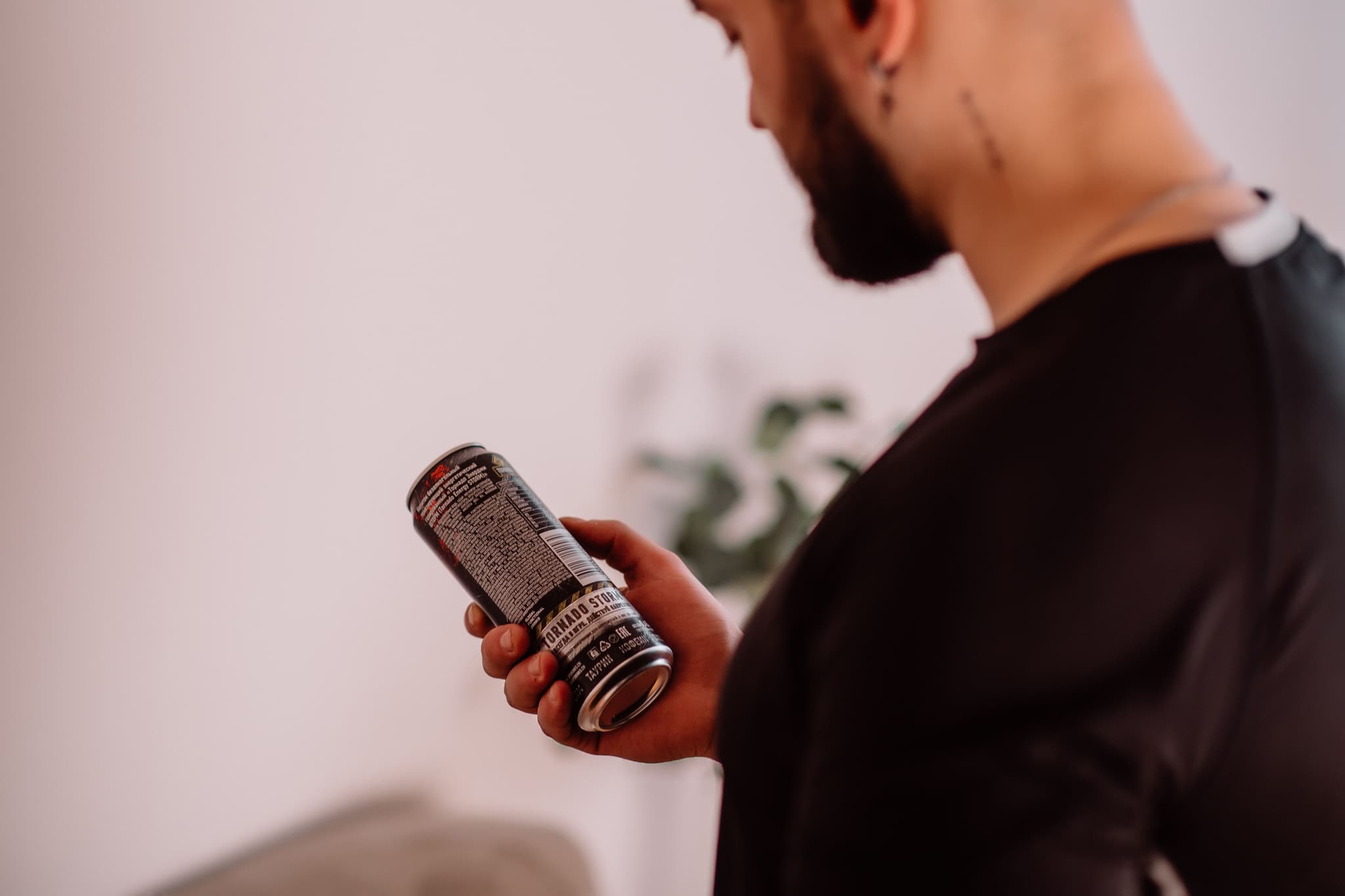

How to Choose the Best Pre-Workout for Strength Training
Most pre-workouts are dosed for cardio, not for heavy lifting. Here's the framework for spotting the best pre-workout for strength training — no list required.
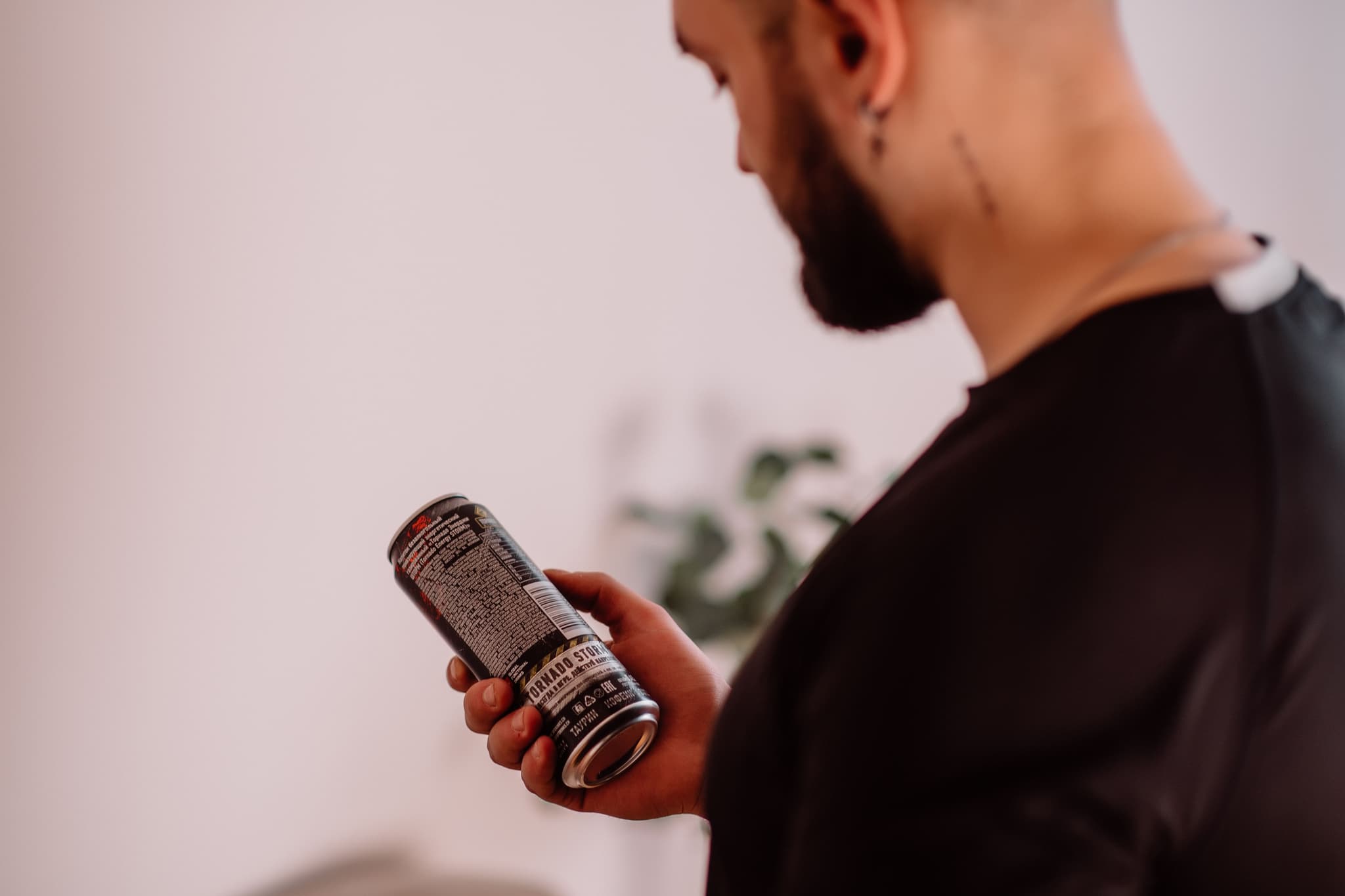
Most pre-workouts are dosed for cardio, not for someone loading a barbell. Finding the best pre-workout for strength training means ignoring the marketing and checking the math instead.
This isn't a ranked list of products. It's a framework for reading labels, matching doses to research, and picking what actually serves your training. A heavy squat day at 90% of your 1RM needs something different than a hypertrophy day full of higher-rep sets. Deload weeks might not need a pre-workout at all.
You'll learn which ingredients earn their spot on a label, at what doses they're proven to work, and how to build a checklist you can hold any product against. You'll also see how creatine and caffeine work through different mechanisms, and why your training day should decide which one matters more on a given morning.
By the end, you won't need a review site to tell you what to buy. You'll know how to check for yourself.
What Actually Makes the Best Pre-Workout for Strength Training?
A good pre-workout for strength training gives you three things: energy, focus, and delayed muscle fatigue. Only a handful of ingredients actually do this at doses backed by research. Everything else on the label is filler dressed up as innovation.
Ingredient | Effective Dose | Strength-Training Benefit |
Caffeine | 3-6 mg/kg body mass, taken 60 minutes pre-training | Sharper focus, higher power output, reduced perceived effort |
Beta-alanine | 4-6 g daily, sustained over weeks | Buffers acid buildup in muscle during high-rep sets |
Creatine monohydrate | 3-5 g daily | Supports repeated max-effort lifts and faster recovery between sets |
Caffeine dosing has the most research behind it. Caffeine has consistently been shown to improve exercise performance when consumed in doses of 3–6 mg/kg body mass. The ISSN's caffeine position stand (Guest et al., 2021) confirms that 60 minutes before training is the standard timing window used across studies.
Beta-alanine works differently. The ISSN's position stand (Trexler et al., 2015) concludes that daily supplementation with 4 to 6 g of beta-alanine for at least 2 to 4 weeks has been shown to improve exercise performance. Taking it once before a heavy squat day won't buffer a single rep. You need weeks of consistent dosing before the muscle carnosine builds up enough to matter.
That timeline changes how you should shop for pre-workout supplements. Check the label for beta-alanine's daily total across your whole supplement stack, not just what's in one scoop, and plan on a month of use before judging whether it's working.
The Ingredient-Dosage Checklist for a Strength Training Pre-Workout
Most pre-workout supplements hide weak doses behind long ingredient lists. Use this checklist to hold any label accountable before you buy.
Creatine: 3-5g Daily, Not Just Pre-Workout
Creatine supplementation increases intramuscular creatine concentrations and can improve exercise performance and training adaptations, according to the ISSN's position stand on creatine, authored by Kreider and colleagues. It works through saturation, not a single pre-workout hit.
Take it daily, on training days and rest days. Timing around your workout matters far less than hitting the number consistently.
Beta-Alanine: 4-6g/Day, Timed Over Weeks
This is where most strength training pre-workout labels fall short. The ISSN's position stand on beta-alanine, led by Trexler and colleagues, found that four weeks of beta-alanine supplementation at 4-6g daily significantly augments muscle carnosine concentrations, acting as an intracellular pH buffer.
That timeline matters. The same position stand notes that daily supplementation with 4 to 6g of beta-alanine for at least 2 to 4 weeks has been shown to improve exercise performance. A single scoop before a heavy squat day gives you tingly skin, not buffering capacity. Check the label for total daily beta-alanine across all servings, not just what's in one scoop.
Caffeine: 150-300mg (or 3-6 mg/kg), 60 Minutes Out
Caffeine is the ingredient most pre-workout for lifting products get right. It's cheap and the effect is immediate. Aim for 150-300mg, or 3-6 mg/kg of body weight, taken about 60 minutes before you train.
Below 150mg, you'll barely notice anything past your morning coffee. Above 300-400mg, you're trading strength gains for jitters and a crashed nervous system mid-set.
If you already drink coffee daily, your tolerance is higher. Adjust toward the top of that range, but don't stack multiple caffeine sources without doing the math on total milligrams.
Run any product through these three checks: creatine dose, beta-alanine dose, caffeine dose. If a label buries these behind proprietary blends or fails to list exact numbers, that's your answer. The next section breaks down what to do when the label passes this test but the price tag doesn't.
How to Choose the Best Pre-Workout for Strength Training
You don't need one to build strength. Progressive overload, sleep, and food drive your results. A pre-workout supplement just makes the work feel easier to show up for.
Timing matters more than most people realize. Daily supplementation with 4 to 6 g of beta-alanine for at least 2 to 4 weeks has been shown to improve exercise performance, and doses of 4 to 6 g/day of beta-alanine have been shown to increase muscle carnosine concentrations by up to 64% after 4 weeks. One scoop before a heavy squat session won't deliver that benefit. You're paying for a tingle, not performance.
That doesn't mean pre-workout is worthless. Caffeine kicks in fast, with ergogenic effects found when caffeine is ingested 30 to 90 minutes before exercise, and studies show it can produce a measurable bump in max strength: one study found a main effect of caffeine on 1RM bench press performance, with caffeine doses increasing 1RM results compared to placebo. If you train early morning or you're running on five hours of sleep, that boost is useful.
Think of pre-workout as a tool for consistency. It helps you hit the gym when motivation is low. It won't fix a program with no progression, and it won't replace protein, creatine loaded daily, or recovery.
If you already train hard, eat enough, and sleep well, a pre-workout adds a small edge. If those basics are missing, no ingredient list will cover for it.
Next, figure out which ingredients actually earn a spot in your scoop.
Matching Your Pre-Workout to Heavy Strength Days, Hypertrophy Days, and Deloads
The best pre-workout for strength training isn't one-size-fits-all. Your training day should dictate what you need from it.
Heavy Strength Days: Prioritize Caffeine and Creatine Consistency
On days you're hitting 85%+ of your 1RM for low reps, caffeine matters most. The most frequently consumed dose of caffeine in studies using strength tasks with trained or untrained individuals usually ranges from 3 to 6 mg/kg body mass, taken before your session for alertness and bar speed on max effort sets.
Creatine doesn't work as a same-day boost. It's a daily habit that raises your phosphocreatine stores over weeks, so consistency beats timing on heavy days. Skipping it once won't hurt. Skipping it for a week will.
Hypertrophy/Volume Days: Beta-Alanine Earns Its Keep
Beta-alanine shows up when you're grinding through sets of 10-15, chasing that burn in the last few reps. Its buffering effect against muscle acidosis helps most in that rep range.
The ISSN position stand on beta-alanine found that daily supplementation with 4 to 6 g of beta-alanine for at least 2 to 4 weeks has been shown to improve exercise performance. A single dose before a heavy squat day does nothing for you acutely. Take it daily, regardless of what's on the schedule, and let it build in the background.
Deload Weeks: Why You Can Usually Skip It
Deload weeks call for lighter loads and lower intensity, by design. You're not chasing a new PR, so you don't need a jolt of caffeine to hit one.
Skip the stimulant dose here. Your nervous system gets a break, and you avoid building tolerance that blunts caffeine's effect on the weeks that count.
Match the dose to the day, not the other way around.
Creatine vs. Caffeine: Which Matters More for Strength Training?
Creatine builds strength from the inside. Inside cells, creatine converts into phosphocreatine, a high-energy molecule that helps regenerate ATP, giving you more fuel for each rep before fatigue sets in. The benefit shows up over weeks of training, not in a single session.
Caffeine works on a different timeline. It blocks adenosine receptors in the brain, cutting perceived effort so you push harder on the set in front of you right now. According to the International Society of Sports Nutrition's position stand, caffeine enhances sport performance in trained athletes when consumed at low-to-moderate dosages (3–6 mg/kg body weight). Higher dosages (≥9 mg/kg) don't produce further gains. Small to moderate benefits include muscular endurance, movement velocity, muscular strength, sprinting, jumping, and throwing performance.
Verdict: Creatine wins for strength gains over a training cycle. It's the ingredient with the strongest evidence for raising your actual 1-rep max over months, not just how a single set feels. Caffeine wins for performance on any given day, but it doesn't change your physiology the way creatine does.
If you had to keep only one, keep creatine. It does the structural work.
You don't have to choose. Most solid pre-workout supplements stack both at effective doses.
How to Choose the Best Pre-Workout for Strength Training: A 5-Step Framework
Skip the marketing copy. Run any product through these five steps before it earns a spot in your gym bag.
Check the Label Against the Dosage Checklist
Pull up the ingredient panel and compare it against clinical dosing thresholds. If a product buries its amounts in a proprietary blend, that's a red flag. You want exact numbers for creatine, caffeine, beta-alanine, and citrulline, not just their names.
Decide If You Need Stimulants at All
If you already drink coffee or train at night, a high-caffeine formula might work against you. Some lifters do better with a stim-free option built around creatine and citrulline. Ask what you're actually trying to fix: energy, focus, or pump.
Match the Formula to Your Weekly Training Split
A max-effort squat day and a light accessory day don't need the same support. Look for a pre-workout supplement flexible enough to use daily, since creatine only works with consistent intake. Beta-alanine follows the same rule. Daily supplementation with 4 to 6 g of beta-alanine for at least 2 to 4 weeks has been shown to improve exercise performance (Trexler et al., 2015).
Test Tolerance on a Lower-Stakes Training Day
Never try a new pre-workout before a PR attempt. Test it on a normal training day first, at half the recommended dose. Watch for jitters, GI issues, or a caffeine crash mid-session.
Reassess Every 4-6 Weeks as Your Program Changes
Your needs shift as your training block changes. A strength phase demands different support than a deload week. Revisit your stack every 4-6 weeks and adjust caffeine, creatine timing, or dosage based on how your body responds.
Run these five checks before your next purchase. It beats guessing at a label and hoping for the best.
When Smart Training App or Coach Reduces Your Reliance on Pre-Workout
Most people reach for pre-workout to fix a problem it can't solve. Low energy on leg day is usually a programming issue, not a stimulant deficiency. If your volume jumps around week to week, no amount of caffeine fixes that inconsistency.
Progressive overload tracking does what pre-workout can't. A good app or coach shows you exactly what weight to add, when to add it, and when to back off. That removes the guesswork that makes training feel harder than it needs to be. A structured strength training pre-workout plan built on solid progression beats any supplement that masks fatigue.
Recovery management matters just as much. Deload weeks, sleep tracking, and volume adjustments address fatigue at the source. Pre-workout masks tiredness for an hour. Proper programming stops it from building up in the first place.
There's also a timing problem people overlook. Daily supplementation with 4 to 6 g of beta-alanine for at least 2 to 4 weeks has been shown to improve exercise performance, according to the ISSN's position stand (Trexler et al., 2015). A single scoop before a heavy squat session doesn't give you that buffering effect acutely, no matter what the label promises.
This doesn't mean skip pre-workout supplements. Get your programming right first, then let pre-workout support a plan that's already working. A structured strength app handles the part supplements can't touch: the actual progression.
FAQ: Common Questions on Pre-Workout for Strength Training
What is the best pre-workout for strength training?
The best pre-workout for strength training contains 3–5 g of creatine monohydrate, 3–6 mg per kg of body weight in caffeine, and 4–6 g of beta-alanine. These three ingredients have the most research backing them for strength output and performance. Caffeine improves exercise performance when consumed in doses of 3–6 mg/kg body mass, while daily supplementation with 4–6 g of beta-alanine for at least 2–4 weeks has been shown to improve exercise performance. Skip proprietary blends. If the label hides exact doses, put it back on the shelf.
What ingredients should I look for in a pre-workout for strength?
Creatine monohydrate and caffeine anhydrous do the heavy lifting for strength output. Beta-alanine helps with buffering during longer sets, and L-citrulline supports pump and blood flow at doses of 6–8 g. Anything beyond these four is usually filler dressed up as innovation.
How much caffeine should be in a pre-workout?
Look for 3–6 mg per kg of body weight, dosed 30–60 minutes before you train. For a 180 lb lifter (about 82 kg), that lands between roughly 245 mg and 490 mg. Start at the low end if you haven't tested your tolerance on a heavy day.
Can pre-workout help you lift heavier?
Caffeine can boost acute strength output and reduce perceived effort during your working sets. Beta-alanine and creatine work differently—they need consistent daily intake to build up in your system. A single scoop on max-effort day delivers zero buffering advantage from beta-alanine or strength gains from creatine. Daily supplementation with 4–6 g of beta-alanine for at least 2–4 weeks has been shown to improve exercise performance, and creatine follows the same pattern. Both require time to work.
The Bottom Line
Finding the best pre-workout for strength training isn't about brand loyalty or flavor. It's math. Check the label for 3–5g of creatine, 3.2–6.4g of beta-alanine daily, and 150–300mg of caffeine. If those three numbers aren't there in usable amounts, the rest of the label doesn't matter.
No stack replaces what actually builds strength. Show up, add load or reps over time, and recover well enough to do it again. Supplements amplify good programming. They don't create it.
If you're relying on caffeine to survive a session, your training structure needs attention before your supplement stack does. A training app or coach that manages your volume and progression will do more for your strength than any pre-workout, and it'll cut your dependence on stimulants in the process. Get the programming right first. Let the supplement be the bonus, not the crutch.